
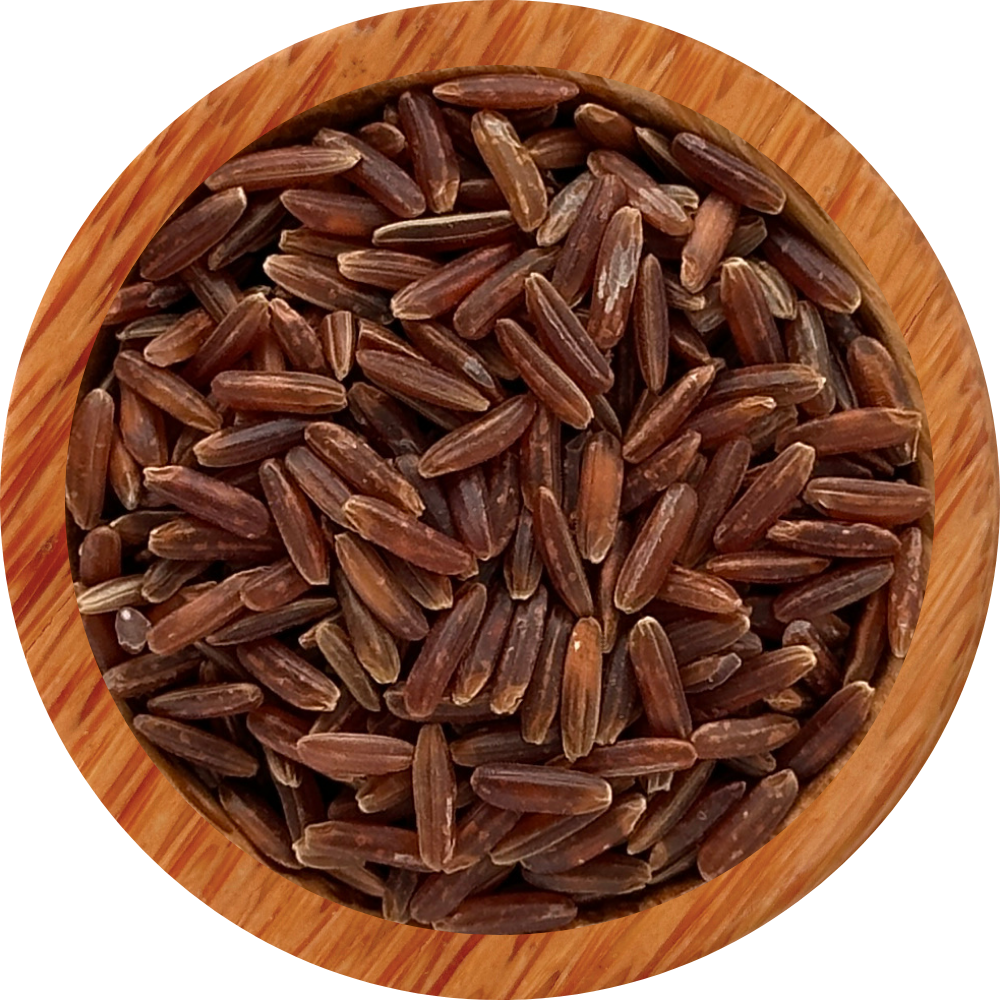
Red rice and brown rice are often compared as if they were two mutually exclusive categories. The names can describe different aspects of a product. Red refers to a visible colour characteristic, while brown rice commonly identifies a milling form. For an importer developing a specialty shelf or a hotel grain bowl, that difference changes the questions to ask.
The practical aim is to know what is in the sample and how it performs. Colour can help customers recognize a product, but it cannot establish a nutritional analysis, a medical benefit or the amount of bran retained. A useful red rice vs brown rice comparison therefore begins with identity and processing, then moves to the intended dish.
Separate the colour question from the milling question
The Codex Standard for Rice defines husked or brown rice as rice with only the husk removed. Ask the supplier to describe the offered milling form rather than judging it from the name. A red-coloured sample still needs its own explanation of processing and the identity of the supplied rice.
Use two columns on the enquiry: one for variety or commercial identity and colour, another for milling form. For Huyết Rồng red rice, confirm the name and offered form on the current documents. For brown rice, ask what variety or type lies behind that category. “Brown” alone is not a complete buying specification.
Ask questions that a sample can answer
| Question | Useful evidence | What remains separate |
|---|---|---|
| What rice is supplied? | Product description and batch identification | Promotional category names |
| How is it milled? | Supplier’s processing description and specification | Colour impressions from a photograph |
| Does it fit the dish? | Recorded cooking and tasting trial | General statements about specialty rice |
| What can appear on the label? | Approved evidence and destination review | Unverified health comparisons |
A physical sample is valuable for appearance and kitchen work. Laboratory results, where needed, answer a different question. Do not infer a fibre value or rank products by nutrient content from their darkness. If the brand wants a nutrition statement, obtain suitable product data and review the proposed statement for the destination market before printing.
Compare cooking performance under a clear brief
Choose one intended use, such as a warm vegetable bowl or a rice side for grilled fish. Start with each product’s proposed preparation and record washing, soaking if used, rice and water weights, cooking equipment and rest. Assess centre tenderness, surface texture, flavour contribution and appearance with the other ingredients.
Different preparation needs can matter commercially even when both samples are liked. A restaurant may prefer a longer planned preparation if the finished texture fits its menu; a retail buyer may need instructions that ordinary customers can follow easily. Measure the actual workflow rather than assuming every coloured or brown product needs the same water ratio or cooking time.

Use a concrete assortment comparison
Consider a supermarket developing two specialty packs. One is Huyết Rồng red rice; another is an identified brown rice. Give both a clear product name and separate cooking directions. Ask a small customer panel to cook from the draft instructions without assistance. Record misunderstandings as well as tasting comments: uncertainty about soaking or portion measurement may be more actionable than a broad preference score.
For a hotel menu, ask the chef to plate both with the same vegetables and dressing. Note whether colour transfers to the other ingredients and whether that result suits the presentation. This is an application observation, not a defect by itself. The buyer can then choose one product for a particular bowl rather than making an unsupported claim that it is healthier.
Keep storage approval product-specific
Request proposed packaging, storage conditions and the evidence supporting the stated shelf life for each offered product. Do not transfer a white rice date range or another supplier’s brown rice declaration to the new pack. Storage approval should address the actual rice, packaging and supply route, including the importer’s warehouse and retail plans.
The supplier’s current documents can be discussed alongside the buyer’s conditions. Keep the storage brief separate from the kitchen test: pleasant flavour on arrival does not validate the entire planned selling period. If the retail project changes material, pack size or storage environment, ask whether the existing evidence still applies.
Prepare a focused request
- State the product identity and milling form you need confirmed.
- Describe the dish or retail use instead of asking for “healthy rice” generally.
- Request a sample with its current specification and batch code.
- Record cooking performance and instruction usability separately.
- Submit any proposed nutrition or origin wording for evidence review.
Explore the serving ideas and discuss the intended range with Vũ Phong Phú. A clear distinction between colour, milling and application lets the buyer offer an appealing specialty product without asking the name to prove more than it can.