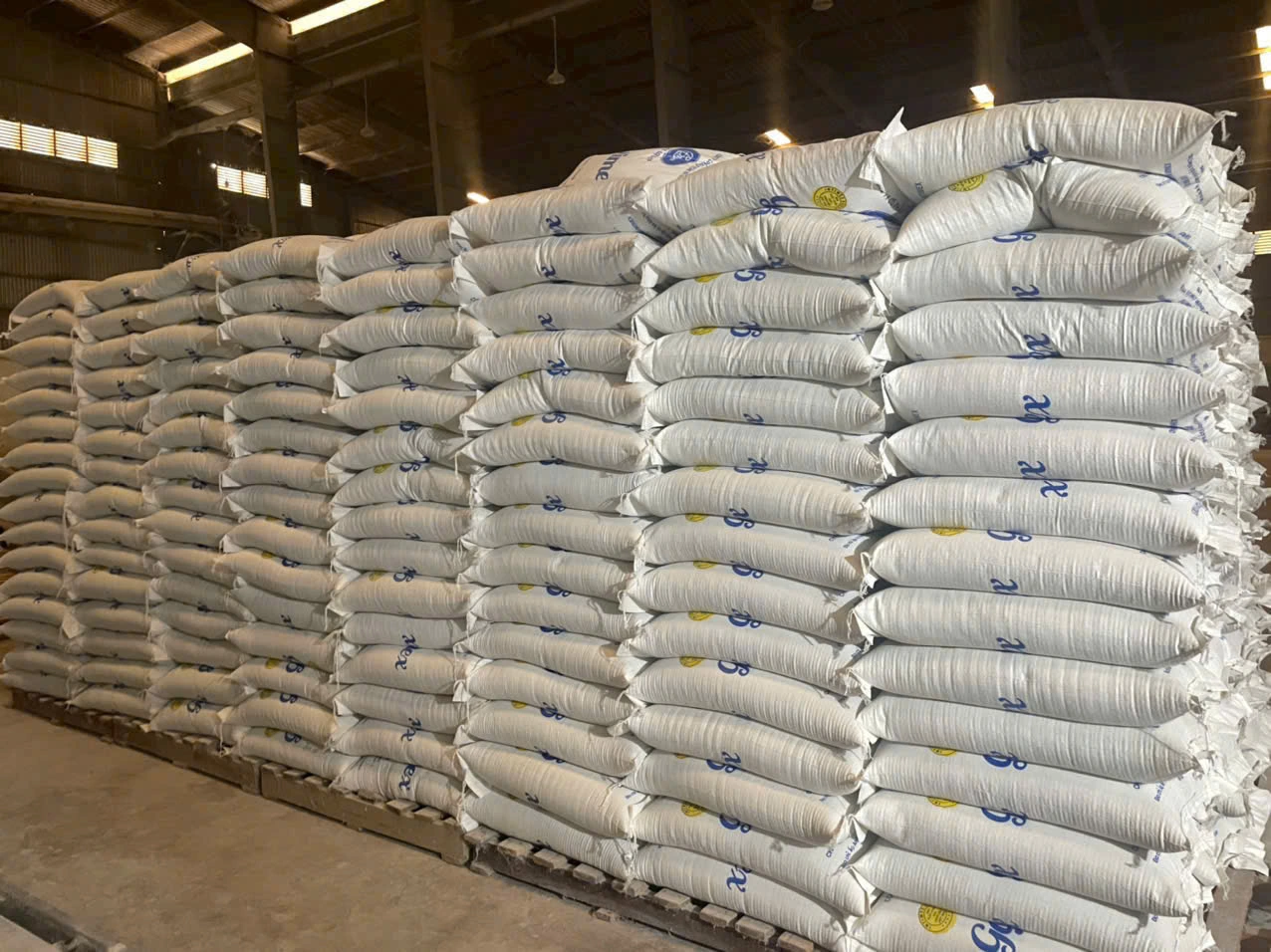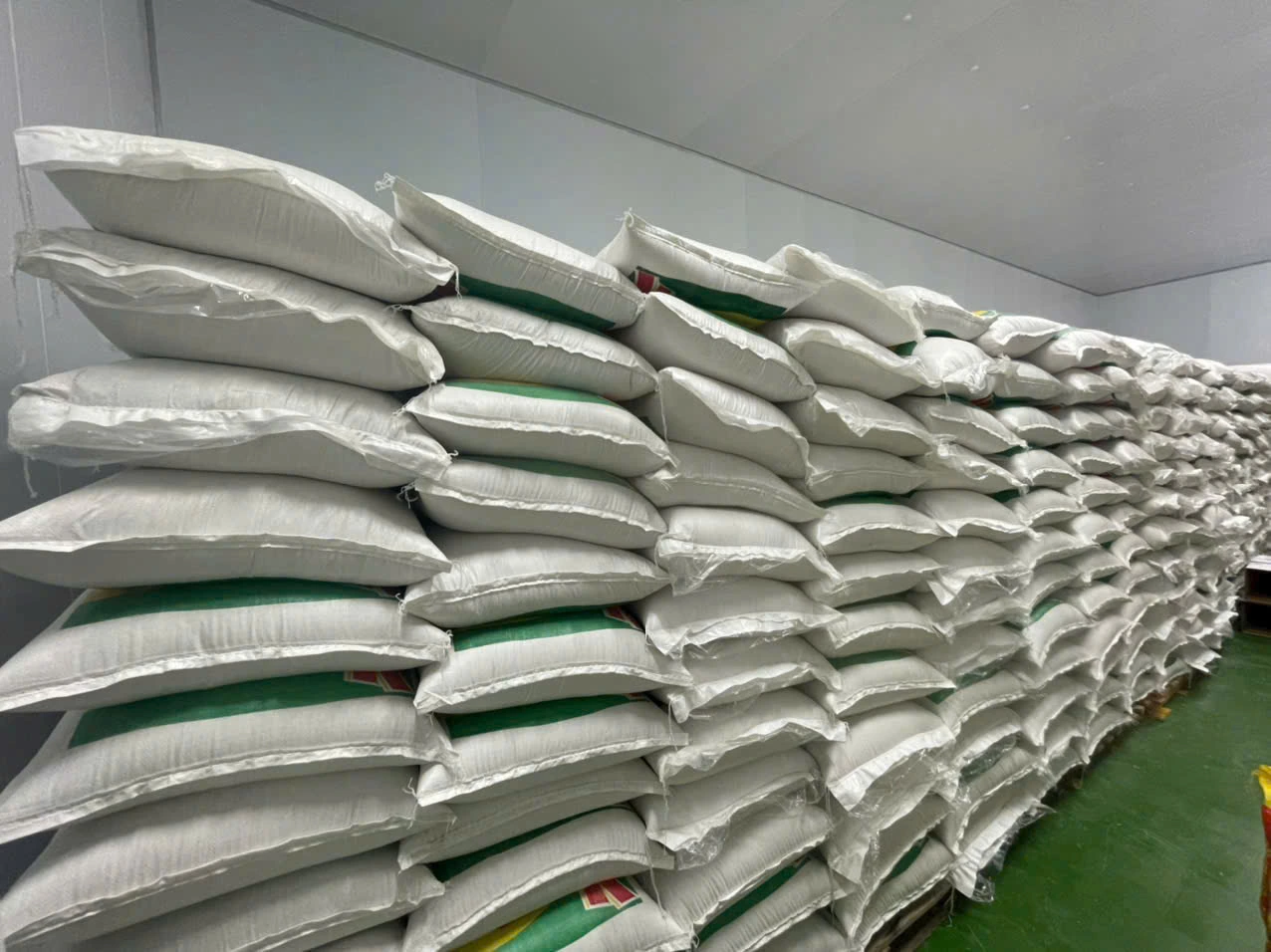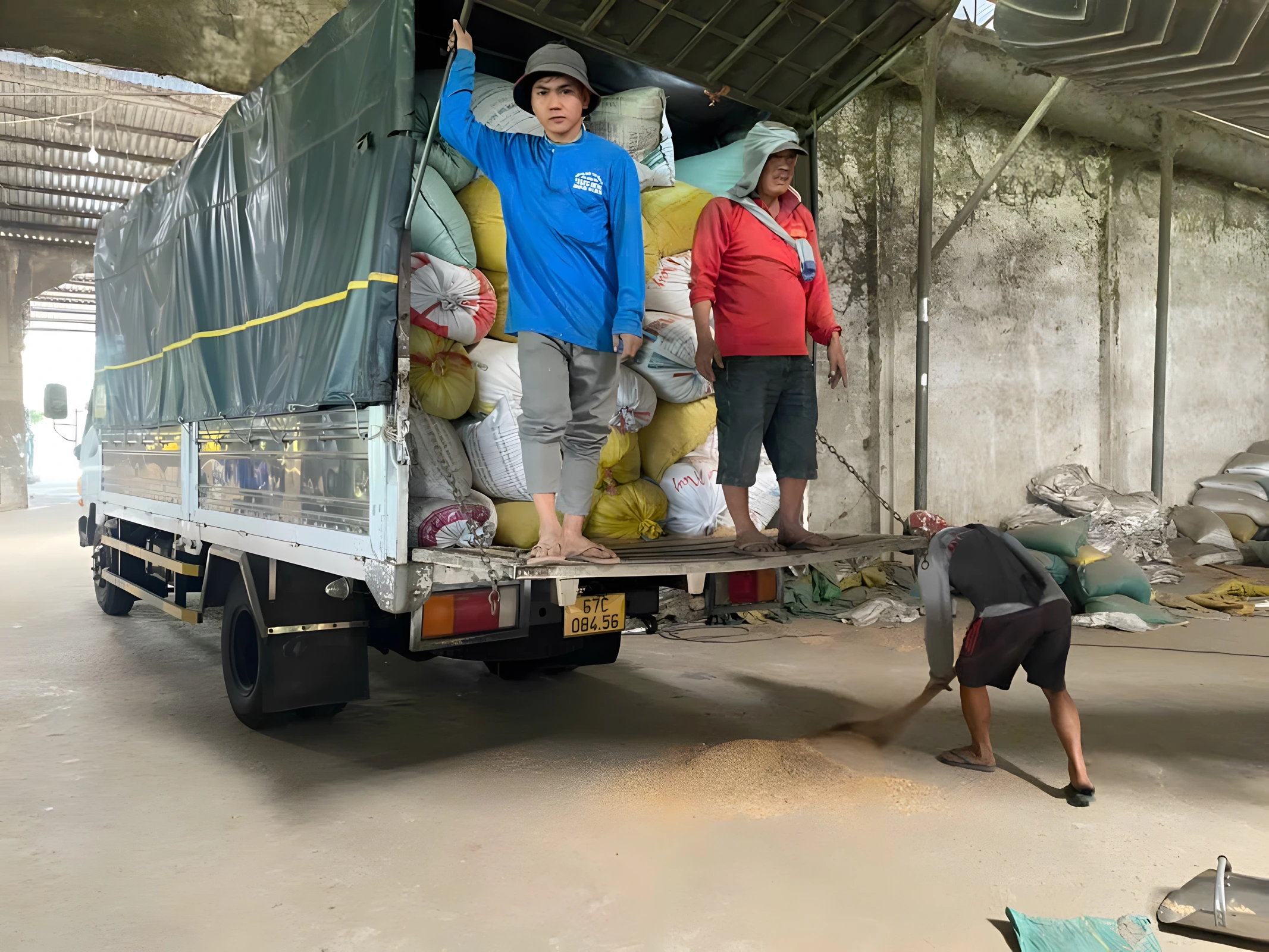

A Rice Factory Audit: What a Walkthrough Can—and Cannot—Tell You
A practical rice factory audit checklist covering the production walk, warehouse controls, capacity evidence and follow-up actions for international buyers.
Read the guide →Use these guides to compare suppliers, choose rice, plan private label and prepare a shipment. Each guide connects the question you are researching with a practical next step.

A practical rice factory audit checklist covering the production walk, warehouse controls, capacity evidence and follow-up actions for international buyers.
Read the guide →

Align product identity, measured limits, sample references and acceptance responsibilities before signing a rice supply agreement.
Read the guide →
Keep repeat rice orders aligned with the approved specification through lot references, change notifications and a practical release record.
Read the guide →
Separate rice origin, variety identity and processing location, then request evidence appropriate to the claim and destination market.
Read the guide →
Compare ST25 and ST21 using identified samples, a controlled cooking trial and a channel-specific scorecard rather than assumed rankings.
Read the guide →
Evaluate Jasmine and Dai Thom 8 for everyday retail or foodservice through paired trials, clear consumer instructions and comparable quotations.
Read the guide →
Build an OM5451 foodservice trial that measures usable cooking yield, portion consistency and performance under your kitchen service conditions.
Read the guide →
A practical KDM rice buyer guide to identity, cooking evidence, origin records and premium private label positioning.
Read the guide →
Evaluate Japonica rice for sushi buyers through seasoning, shaping and service trials before approving a restaurant supply.
Read the guide →
Compare glutinous rice vs Jasmine through texture, preparation and application trials for retail and food manufacturing.
Read the guide →
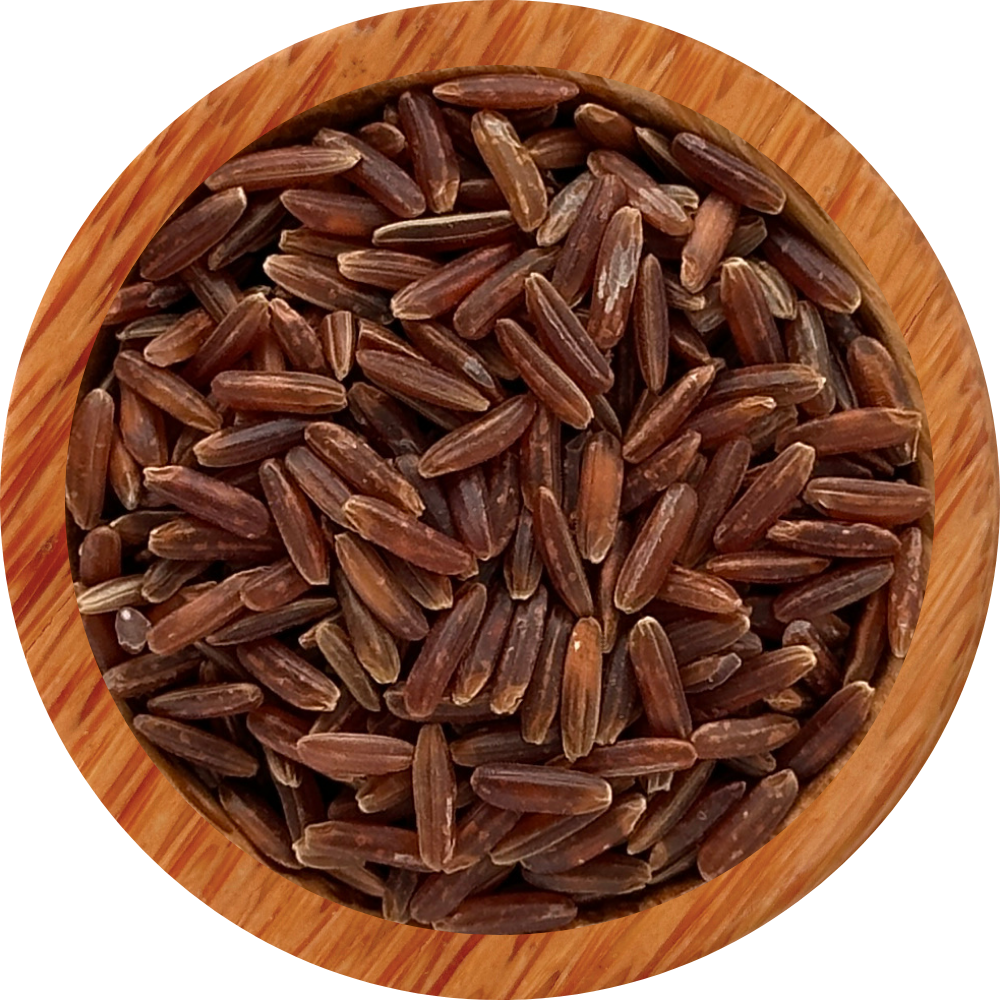
Red rice vs brown rice for buyers: separate grain colour from milling form, then test cooking and pack information.
Read the guide →
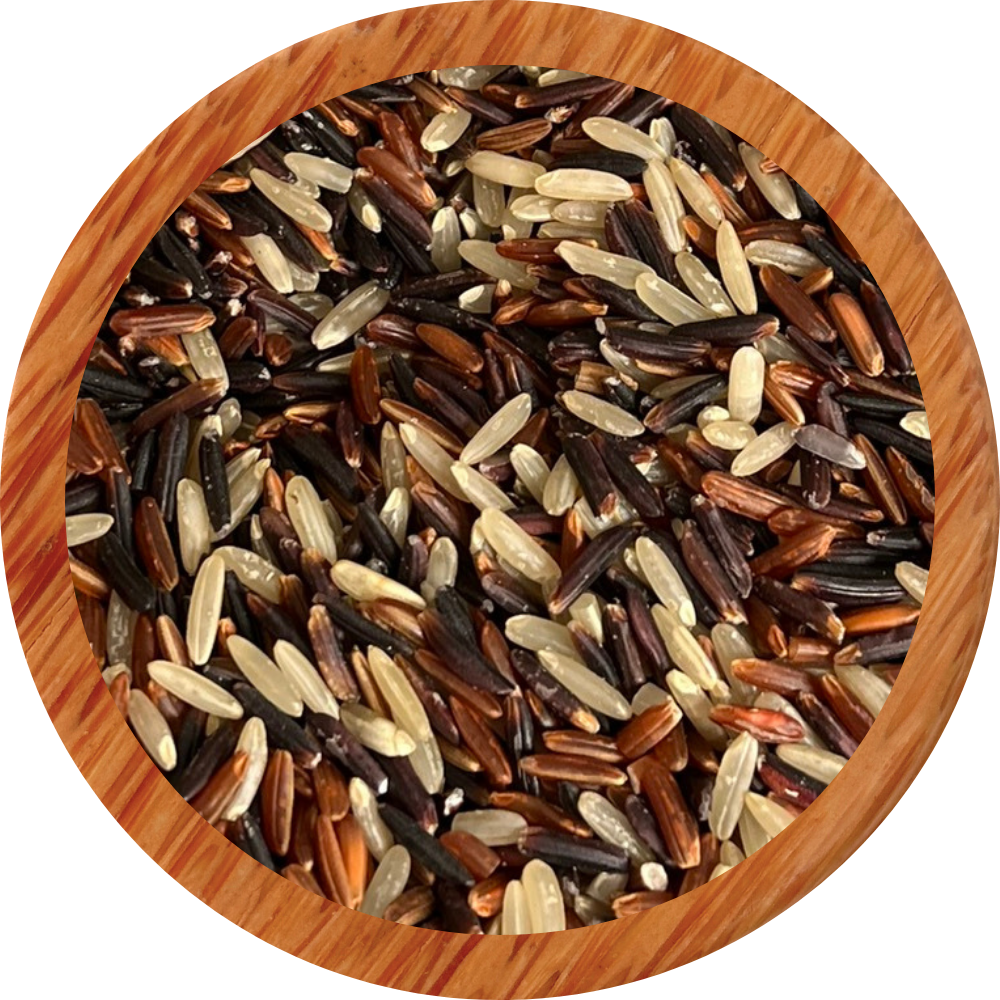
Plan a mixed rice blend around compatible cooking, controlled ratios and tested instructions for a private label launch.
Read the guide →
Understand rice moisture content storage risk through sampling, measurement method, packaging and route-specific acceptance.
Read the guide →
Connect rice batch traceability documents from incoming material to packed goods and shipment with a practical buyer checklist.
Read the guide →
Confirm rice shelf life against the actual product, packaging and storage route before approving a private label date.
Read the guide →
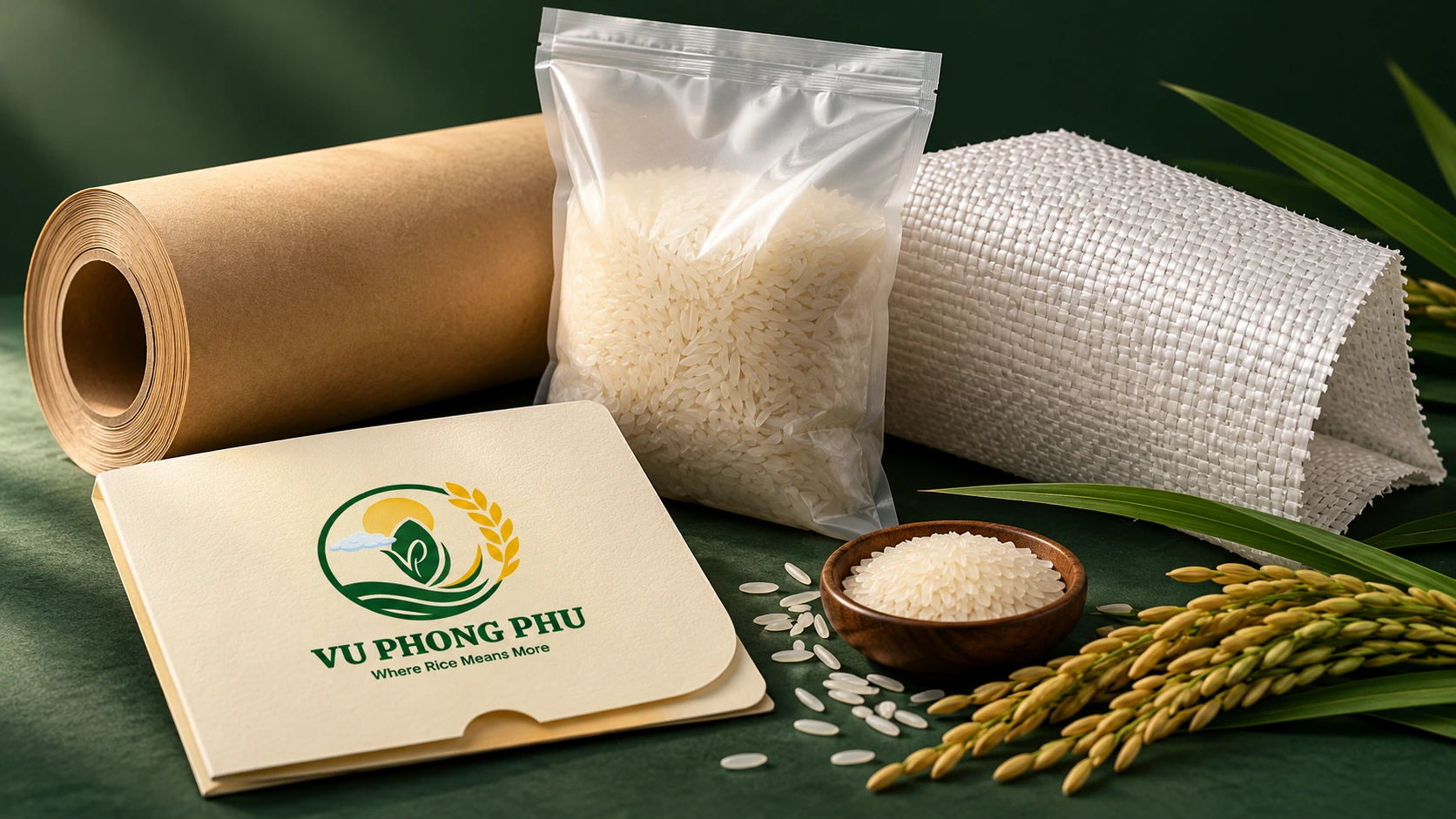
Compare woven PP, BOPP laminates and vacuum packs by structure, handling, testing and channel fit rather than appearance alone.
Read the guide →
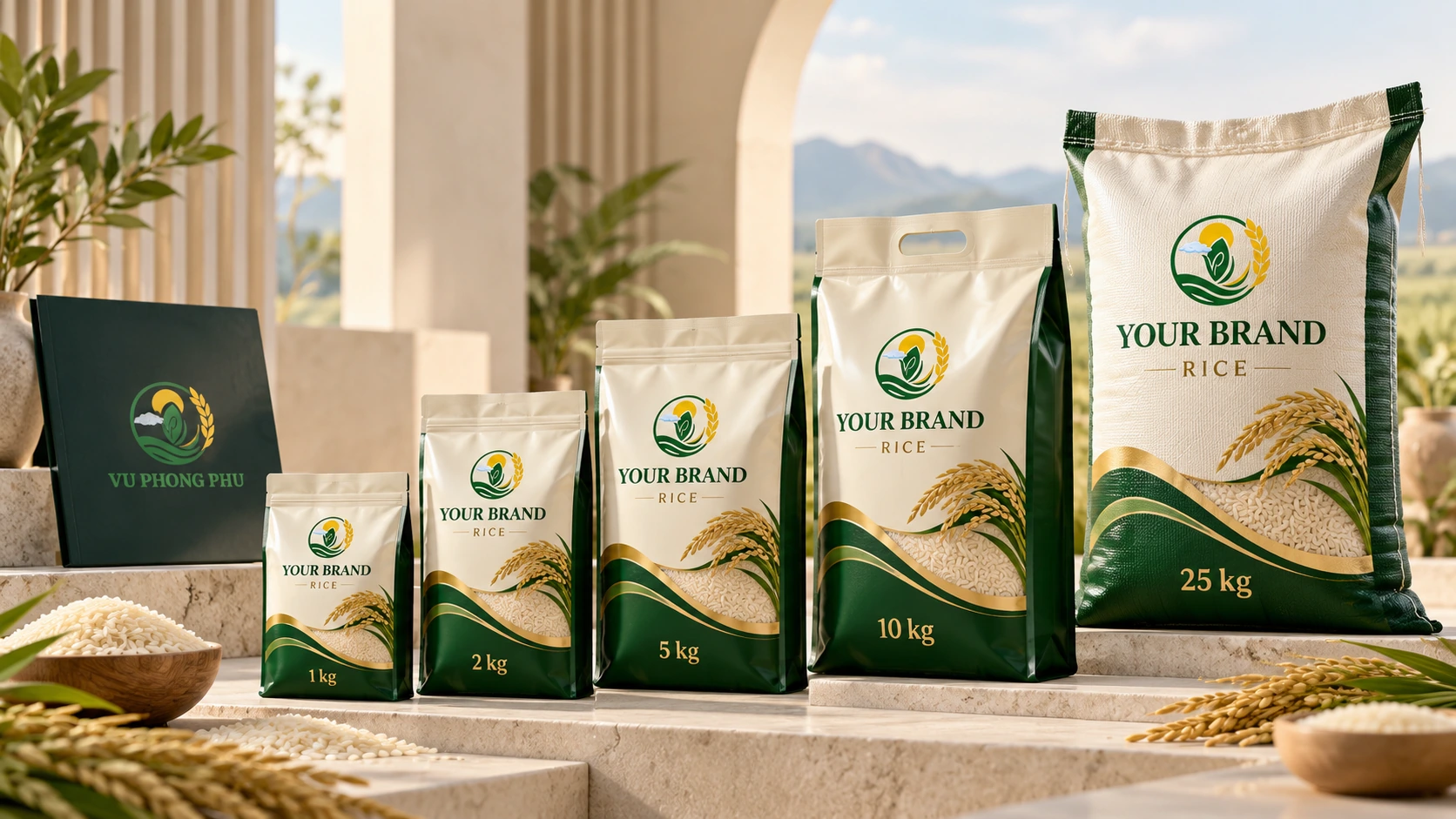
Choose rice pack sizes around household use, kitchen handling, shelf space and replenishment rather than a long SKU list.
Read the guide →
Build a private label rice position from the customer's meal, buying occasion and evidence-backed promise.
Read the guide →
Organise rice label review by destination, product identity, responsible operator, claims and version control before printing.
Read the guide →
Plan private label rice lead time around approvals, packaging readiness and production gates rather than an unsupported fixed promise.
Read the guide →
Twelve practical checks for assessing a Vietnamese rice supplier, from legal identity and processing control to samples, shipment responsibilities and repeat orders.
Read the guide →
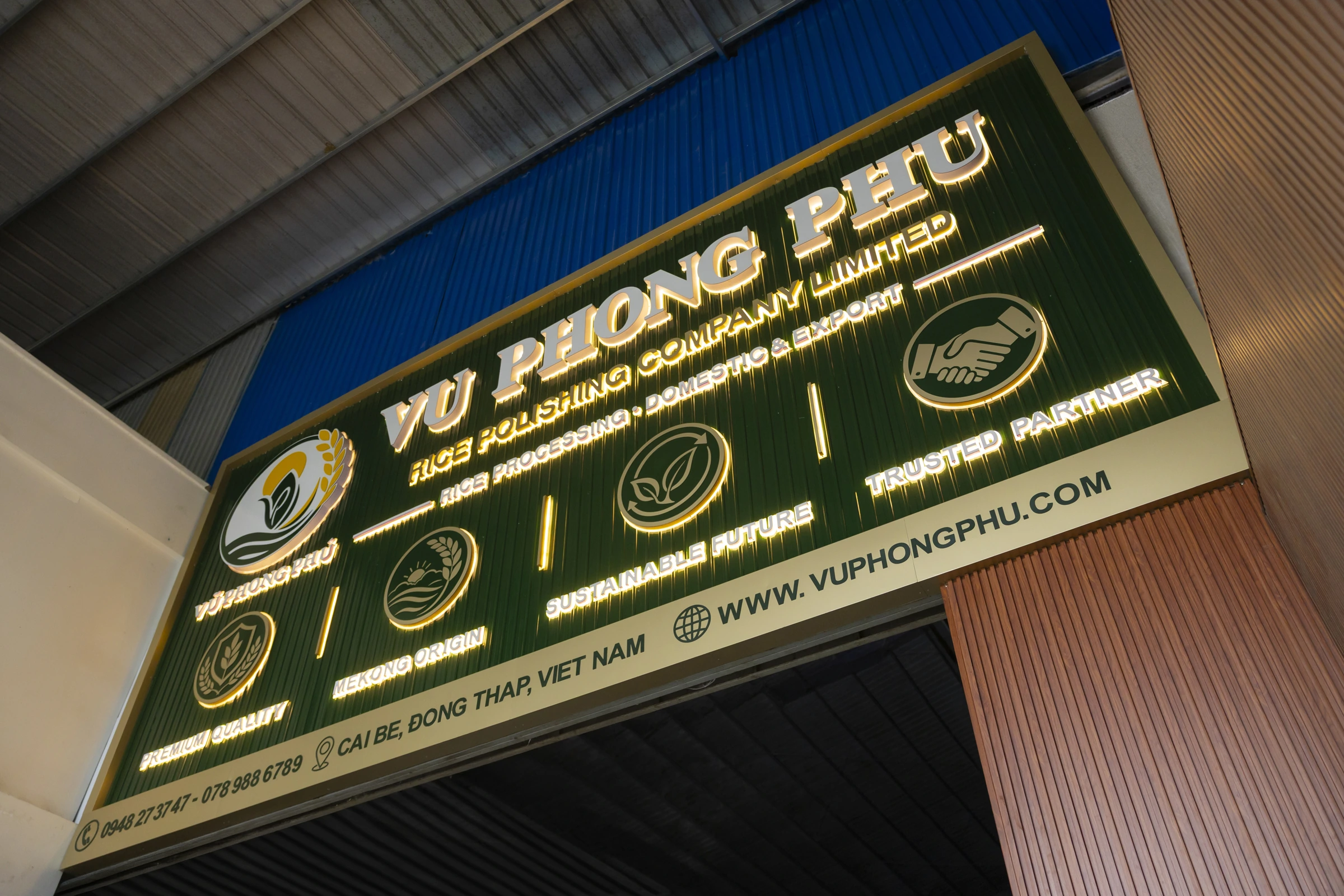
Compare rice mill and trading company responsibilities, identify who controls processing, and verify the contracting party before choosing a sourcing model.
Read the guide →
A practical rice RFQ template covering product, specification, packaging, quantity, destination and quote conditions so buyers receive comparable offers.
Read the guide →
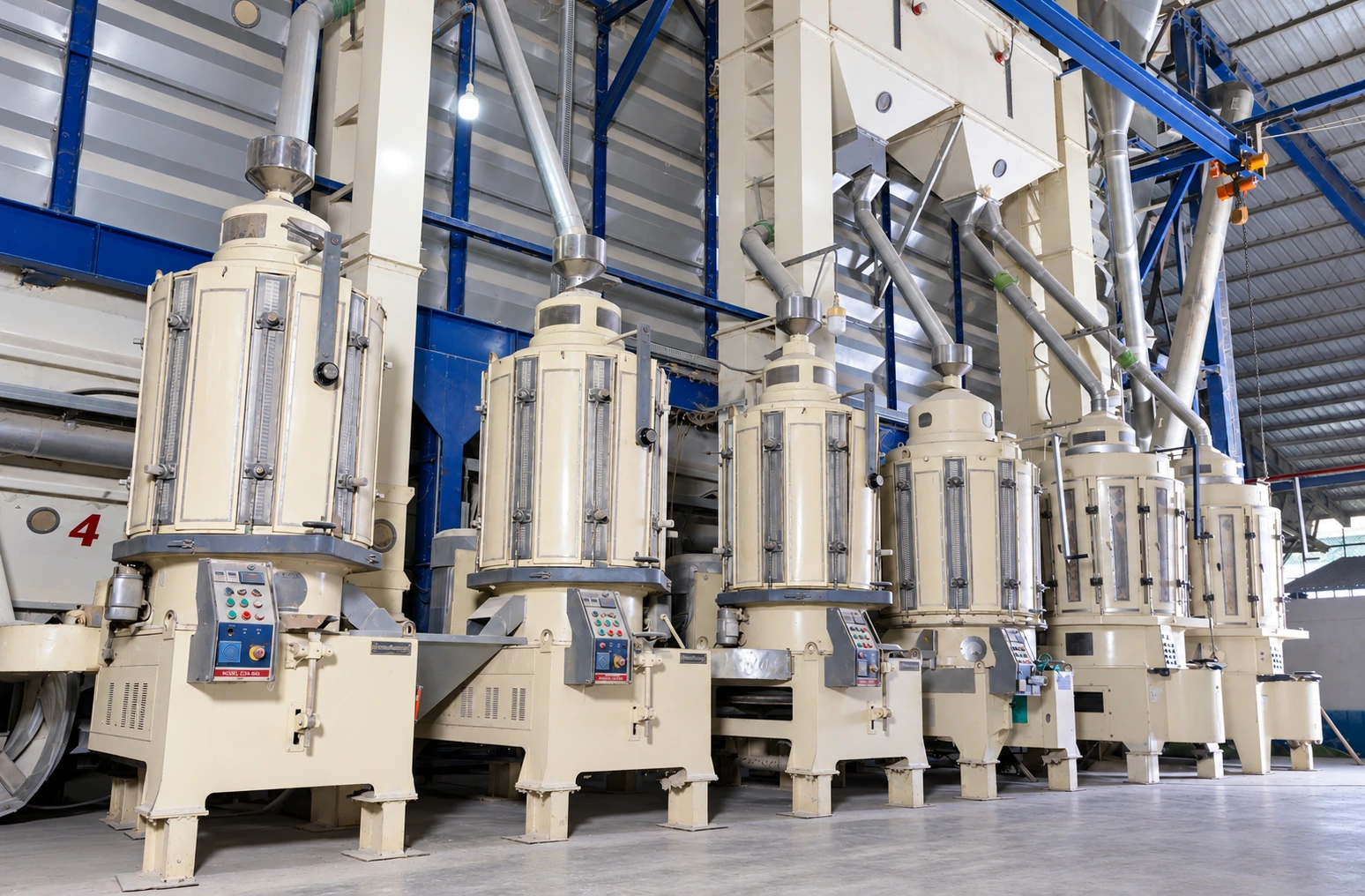
Evaluate a rice sample with documented identity, consistent observation and cooking tests, then turn approval into a clear reference for the order.
Read the guide →
Choose between ST25 and jasmine for a retail rice brief using product identity, comparable samples, customer expectations and a complete commercial comparison.
Read the guide →
Black rice and black glutinous rice can look similar but serve different briefs. Verify starch category, sample cooking behaviour and accurate product labelling.
Read the guide →
Understand rice specifications, measurement methods, sample approval, and contract limits before comparing offers.
Read the guide →

Compare 5% and 25% broken rice by defined grading, intended use, sample trials, and the complete specification.
Read the guide →
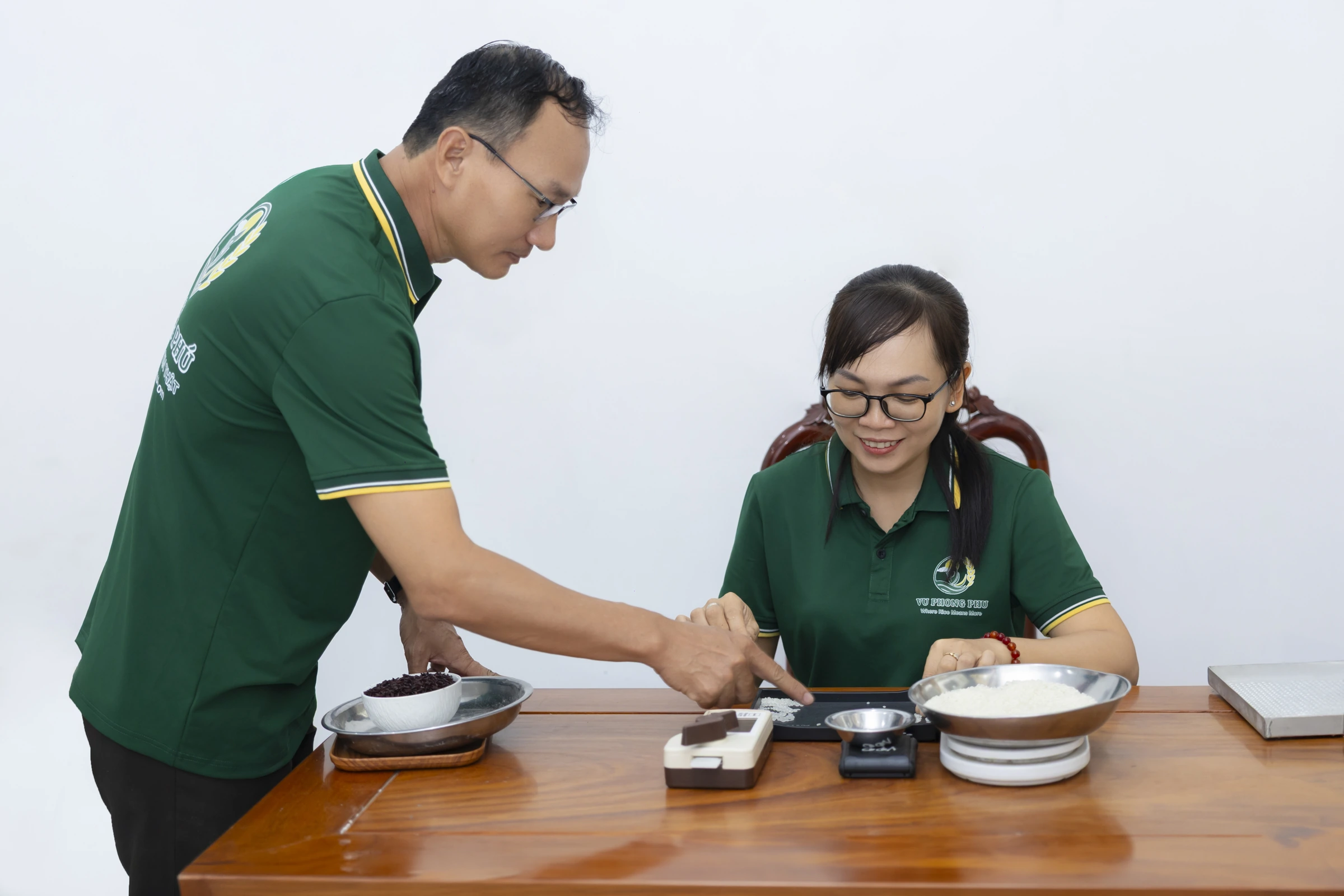
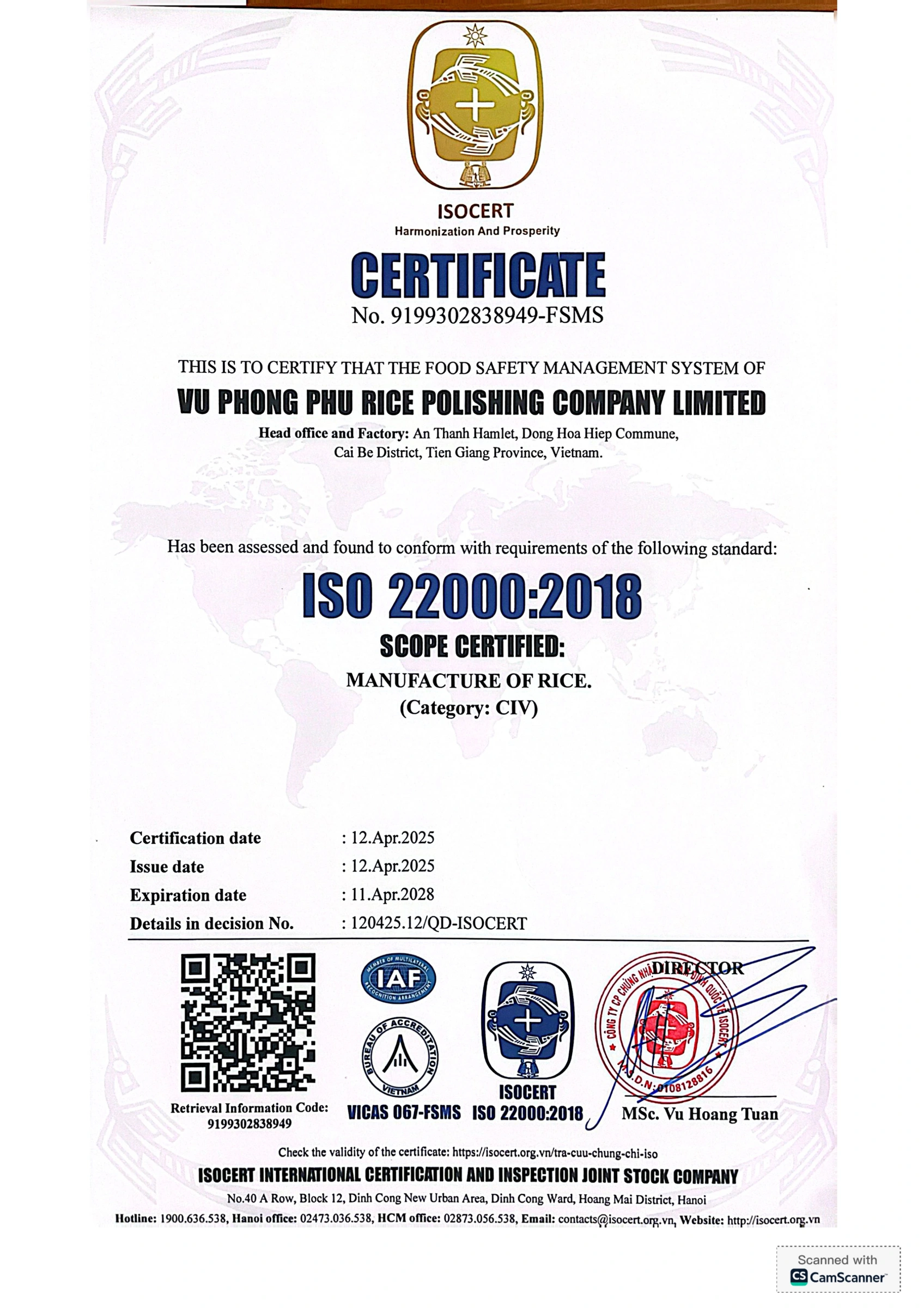
Verify an ISO 22000 rice supplier certificate by legal identity, site, scope, issuer, status, and supporting shipment evidence.
Read the guide →
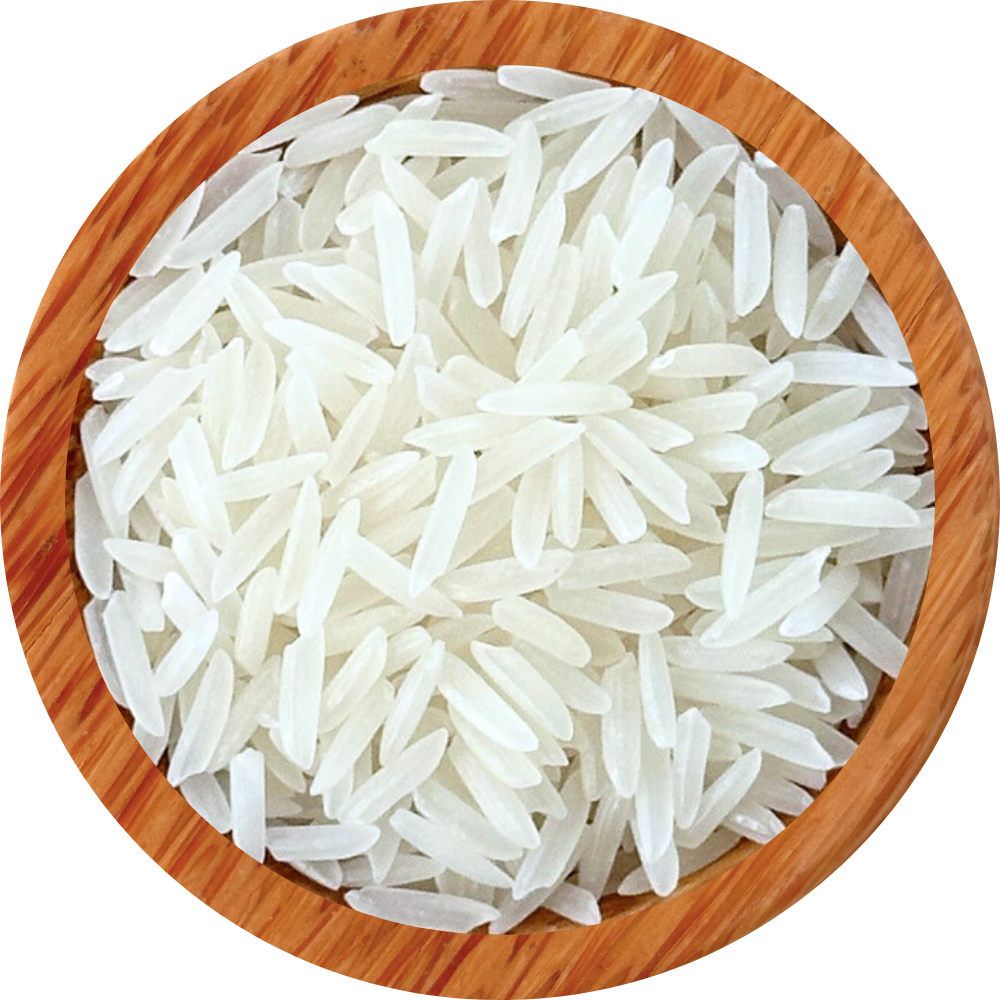
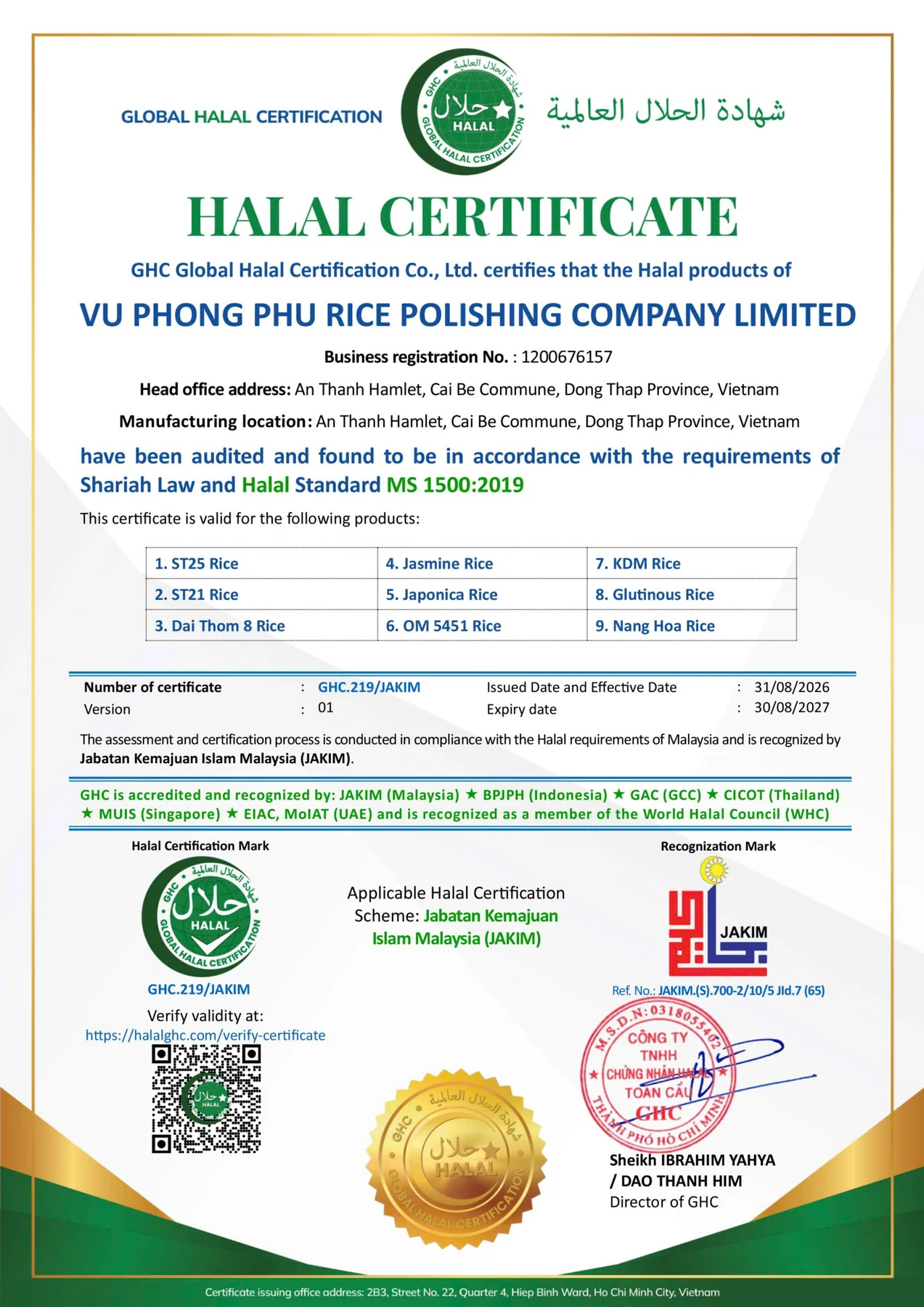
Check the exact product, factory, issuing body, validity, and destination acceptance before relying on a Halal rice certificate.
Read the guide →
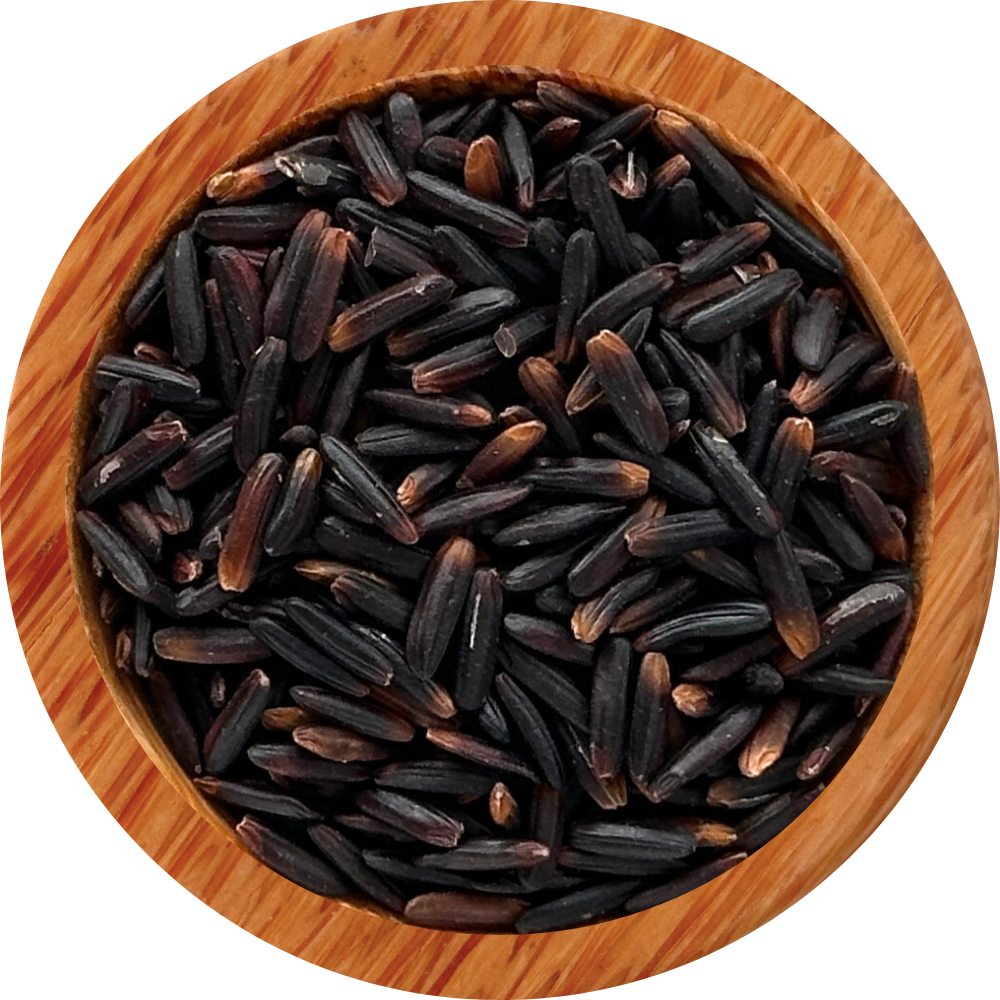
Connect an approved rice sample to shipment specifications, lot records, inspection, retained samples, and discrepancy handling.
Read the guide →

A practical private label rice launch roadmap covering product samples, specifications, packaging approval, order planning and repeat supply.
Read the guide →
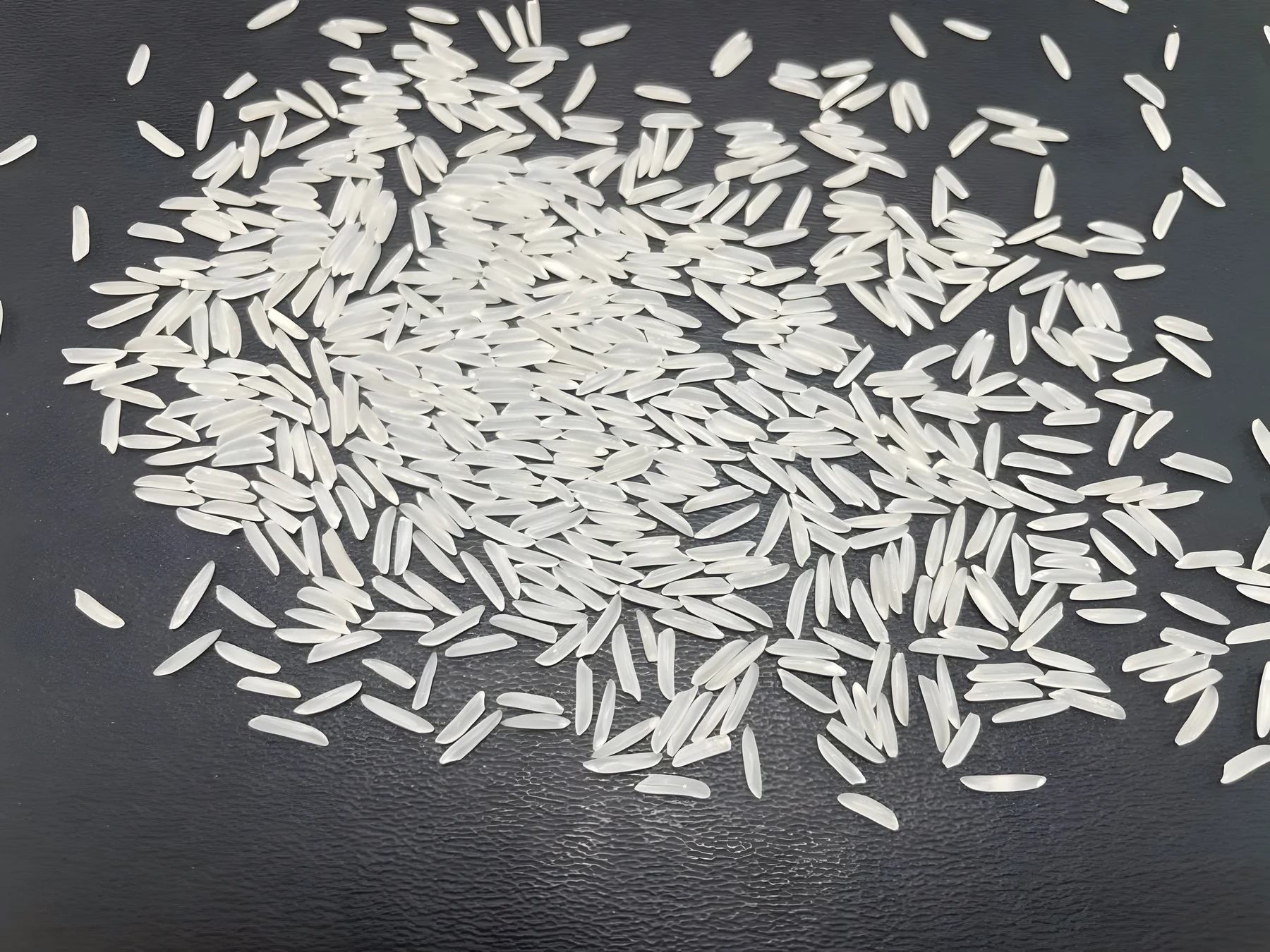
Understand rice, filling, printing and shipment minimums, and prepare an OEM brief with clear pack sizes and quantities per SKU.
Read the guide →
A rice artwork approval checklist for product identity, destination review, claims, printing proofs, barcode checks and version control.
Read the guide →
A step-by-step rice import roadmap covering destination checks, RFQ, samples, order terms, production, documentation and arrival.
Read the guide →
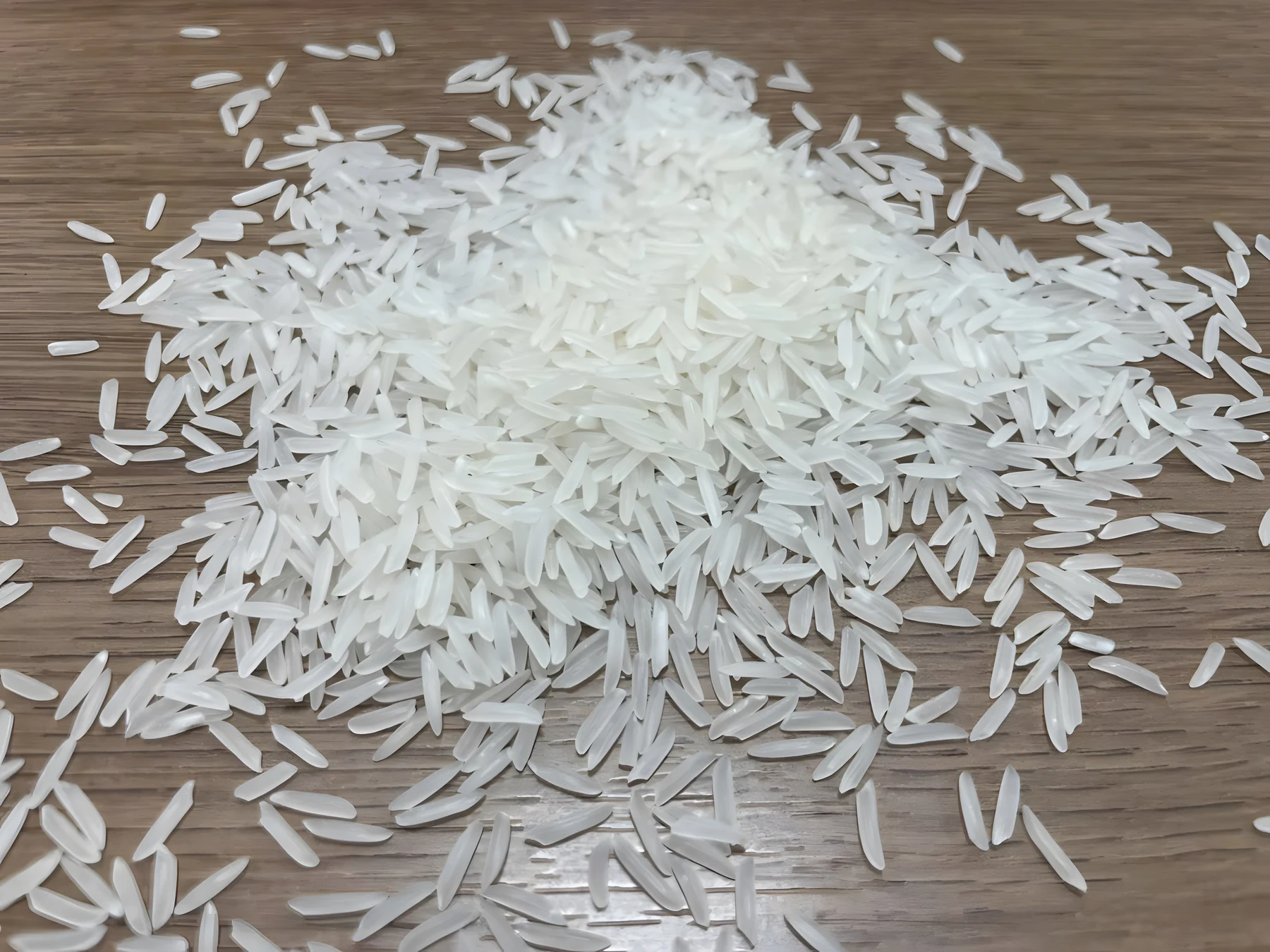
Compare FOB and CIF rice quotations by separating cost, risk, insurance and charge boundaries; consider FCA for container handovers.
Read the guide →
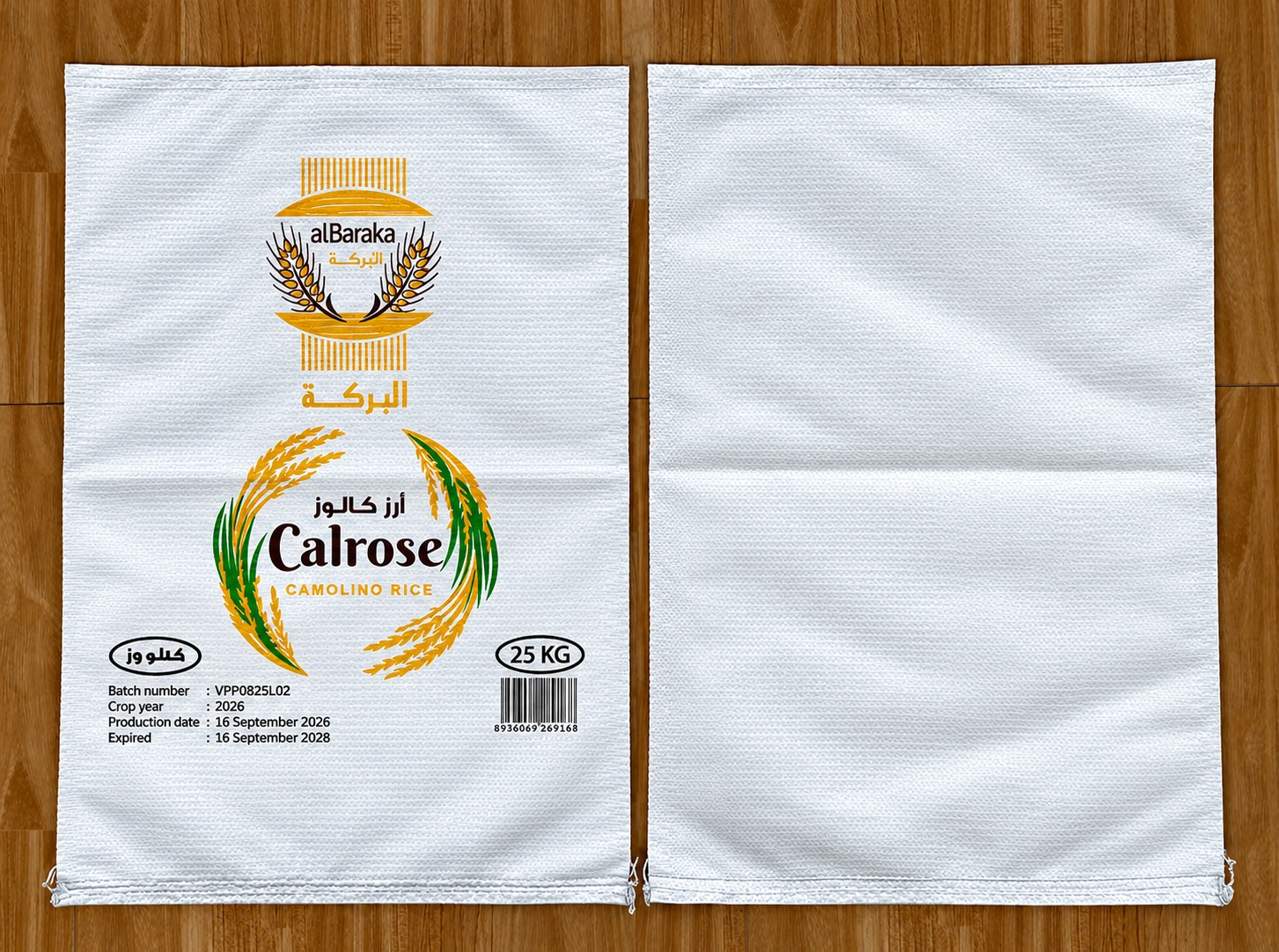
A rice shipment document checklist explaining invoice, packing list, transport, origin, phytosanitary and quality records and their limits.
Read the guide →
Compare rice quotations on the same product, specification, packing, Incoterm, costs, timing, and evidence before selecting a supplier.
Read the guide →Port image credits: Rennett Stowe · CC BY 2.0; Rennett Stowe · CC BY 2.0. Images resized, compressed and display cropped.