
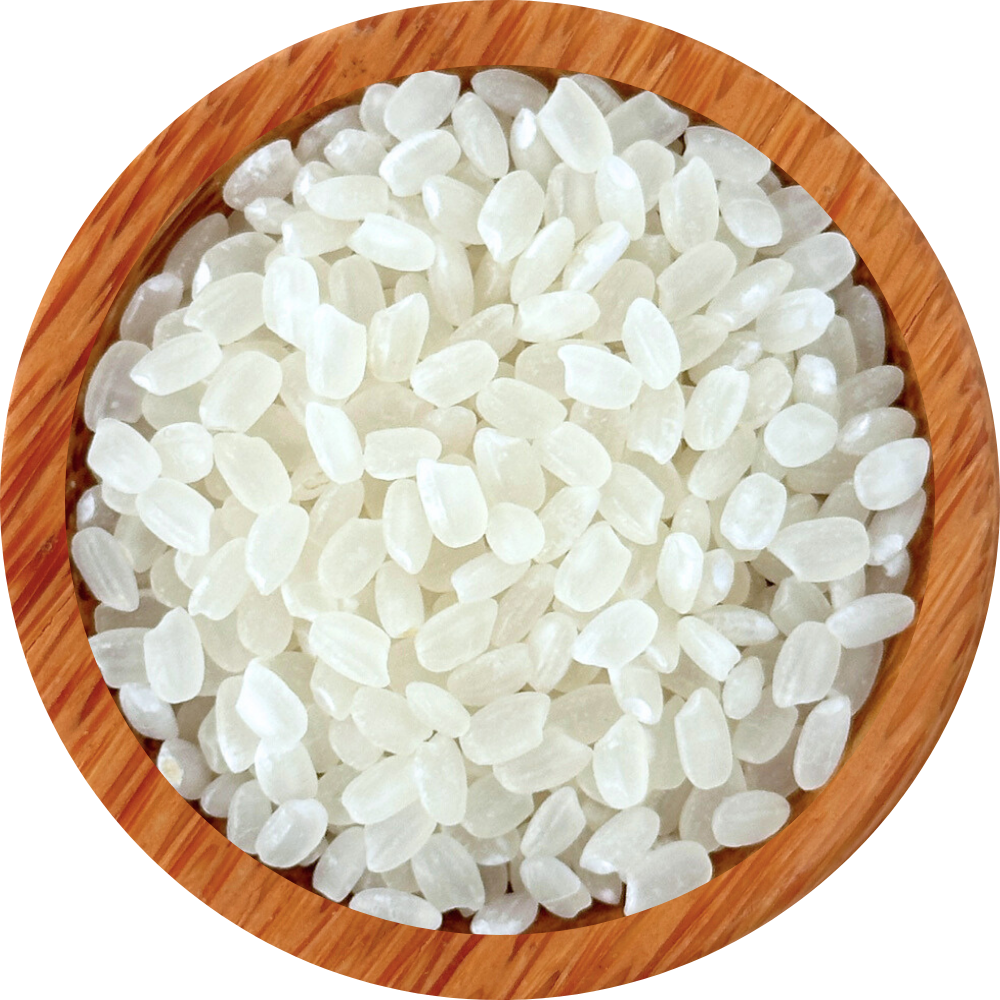
When sourcing Japonica for sushi, a rounded grain is a useful visual starting point. The buying decision happens later: after cooking, seasoning, shaping and serving. Rice that looks suitable in a sample bag may behave differently in the restaurant’s equipment or under its handling routine. A useful trial therefore follows the kitchen’s workflow, not only the supplier’s product photograph.
This guide is for restaurant groups, hotel procurement teams and distributors developing a sushi rice line. Its purpose is to evaluate application fit. It does not turn “Japonica” into a guarantee of Japanese origin, a specific cultivar or an identical cooking result across all grades.
Define the sushi format before choosing the sample
Write down whether the restaurant mainly makes rolls, hand-shaped pieces or rice bowls. A roll must hold together through spreading, filling and cutting. Hand-shaped portions need a texture the team can shape consistently without crushing the grain. Bowls place a different emphasis on mouthfeel and portion presentation. One kitchen may use the same approved rice for all three, but that conclusion should come from its own trial.
Ask for the offered variety or commercial type, milling form, broken-kernel basis and current specification. The Japonica product page is the starting point for a sample enquiry. Do not substitute a different medium-grain product simply because two photographs look similar. FAO’s discussion of rice eating quality identifies starch characteristics alongside physical appearance as relevant to cooking quality.
Run the trial in separate stages
| Stage | What to observe | What to record |
|---|---|---|
| Plain cooked rice | Tenderness, grain integrity and surface moisture | Rice and water weights, cooker and rest |
| Seasoning | Response to the restaurant’s mixing routine | Seasoning recipe and handling method |
| Shaping | Consistency of rolls or individual portions | Format, staff method and portion weight |
| Service | Appearance and eating texture at planned service | Time, conditions and feedback |
First make an unseasoned batch so the team can distinguish the rice from vinegar, sugar and salt effects. Then apply the restaurant’s established seasoning recipe to a measured portion. Record any adjustments rather than silently changing several variables. If a sample is too wet, a different water amount may help; if the recipe and equipment change at the same time, the trial will not show which change mattered.
Assess adhesion without rewarding a paste-like result
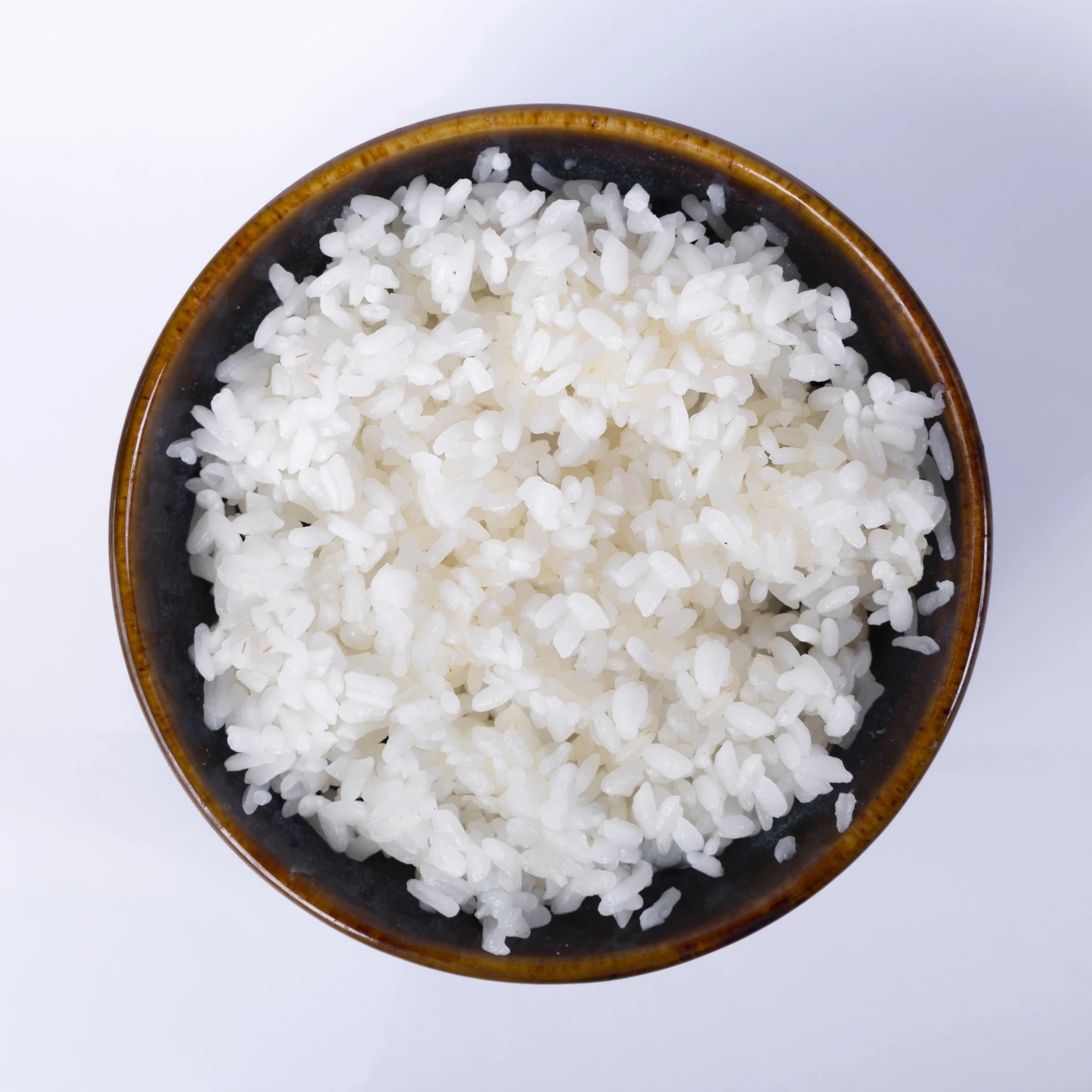
“Sticky” alone is an incomplete acceptance term. Ask the chef to describe the desired balance between cohesion and distinct grain texture. Observe whether the rice spreads evenly on the sheet, whether the cut holds and whether grains remain pleasant to chew. A portion that stays together but feels heavy may not fit the restaurant’s premium presentation.
Include the staff who will actually prepare service. A purchasing manager’s tasting cannot show whether a team can reproduce the result during a busy shift. Try the usual preparation tools and a representative batch size. Keep photographs of the completed format as supporting records, but connect them to the sample code and method; a promotional sushi picture is not a batch approval.
Separate texture approval from food safety controls
A successful tasting does not validate the restaurant’s holding process. The US FDA discusses sushi rice acidification as a special food process in its 2024 Food Code supplement. Requirements depend on the operator’s jurisdiction and process. The kitchen should use its validated food safety procedures and consult the relevant authority rather than treating a seasoning recipe as permission for unrestricted room-temperature holding.
Procurement can help by keeping product identity and batch records available to the kitchen. However, a rice supplier’s certificate does not replace the restaurant’s responsibilities after cooking. Evaluate service texture only within the operator’s approved handling conditions, and avoid publishing holding instructions based on an informal supplier tasting.
Turn the trial into a purchasing decision
For example, a hotel group could compare two coded samples using the same cooker and roll filling. The chef records plain-rice observations, then a separate roll assessment. Procurement checks packaging, documentation and repeat-order requirements afterwards. This keeps price discussions from obscuring the application result and leaves a record that another property can repeat.
- Identify the accepted sample and intended sushi formats.
- Attach the agreed cooking and seasoning conditions.
- Record both desirable qualities and any unacceptable behaviour.
- State which specification fields will govern delivery.
- Repeat the relevant trial when the offered product changes.
Use the rice sample checklist to organize the record, then discuss the proposed Japonica order with Vũ Phong Phú. An approved kitchen result and a clearly identified supply specification together give the restaurant a stronger basis for selection than grain shape alone.