
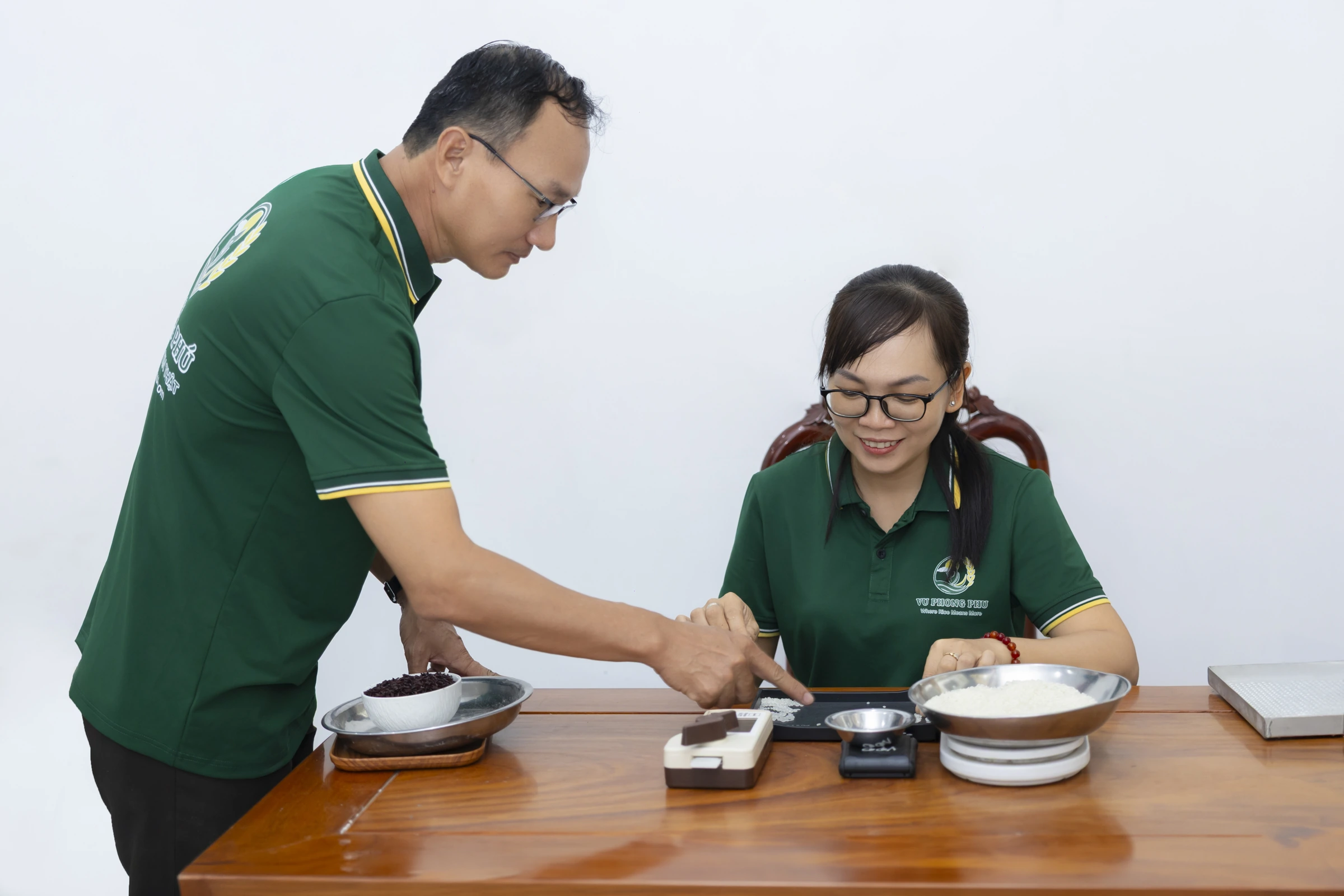
A rice sample is useful when you know what it represents and how it was tested. An attractive bowl of grain or a successful meal is only part of the decision. Importers also need a reference that their purchasing team, quality team and supplier can understand in the same way.
Start with a written test brief. Decide which observations determine suitability, which characteristics require measured results, and who will approve the outcome. A sample evaluation should answer “Does this proposed product fit our use?” without pretending to establish the condition of every future shipment.
Before opening the sample
- Record supplier, product name, sample code and receipt date.
- Ask whether it represents a specific lot, current stock or a proposed grade.
- Retain the accompanying specification and any relevant test report.
- Check packaging integrity and note unusual conditions during transit.
- Confirm that the amount received is enough for your chosen test programme and a retained reference.
If the sample lacks identification, request clarification before using it as an approval reference. Take photographs in consistent lighting with the code visible in the record. Label photographs as observations of that sample; catalogue photographs cannot substitute for this evidence.
Observe the raw grain systematically
Spread a representative portion on a clean contrasting surface. Look at grain form, visible fragments, colour variation and material that needs further investigation. Keep the observation conditions consistent between samples. A quick visual check helps identify questions, but it does not quantify all defects or establish compliance with an agreed limit.
| Check | Record | Follow-up |
|---|---|---|
| Identity | Name, milling condition and sample code | Clarify any mismatch with the RFQ |
| Appearance | Photos and a written description under the same lighting | Request measurement where acceptance depends on a limit |
| Odour | Observation on opening and before cooking | Investigate an unexpected or objectionable odour |
| Technical result | Method, date, units and laboratory identity when applicable | Check that the result relates to the identified sample |
| Preparation | Equipment, washing, water and cooking settings | Keep the baseline test repeatable |
For moisture, broken content or other numerical requirements, agree the sampling and test basis with the supplier. If the destination or your customer requires accredited laboratory evidence, arrange the appropriate tests; do not interpret a home cooking trial as laboratory verification.
Run a fair cooking comparison
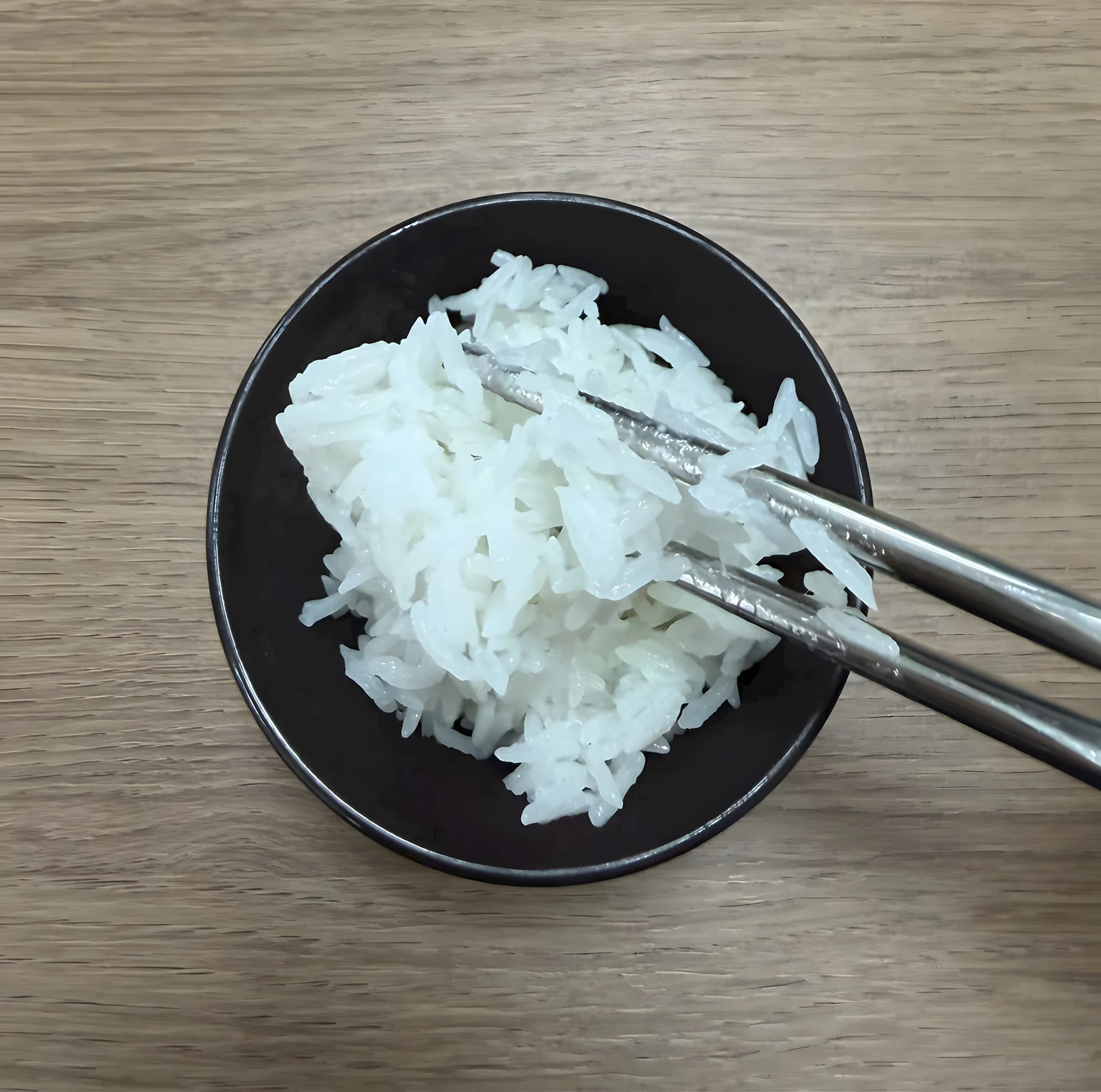
Use the same equipment and a documented baseline procedure. Record dry rice weight, water amount, rinsing, soaking, cooking programme and resting time. If you change several conditions at once, you may end up comparing recipes rather than products.
A baseline comparison is followed by optimization for the intended use. The best water ratio or preparation method need not be identical for every rice. IRRI’s consumer guide notes that suitable cooking conditions vary with the variety, dish, equipment and method. Keep the baseline results separate from the optimized recipe.
- Assess aroma, texture, separation or cohesion and overall acceptance while warm.
- Where relevant, observe the product after the holding period used in your actual operation.
- For foodservice, test with the equipment and serving routine the customer will use.
- For retail, check whether the proposed cooking instructions are practical and repeatable.
- Use a consistent scoring sheet and keep comments, not just one overall score.
A coded tasting can reduce the influence of supplier names or attractive packaging. Repeat important observations and note the number of trials. Do not convert a small internal tasting into a claim about all consumers, nutritional performance or a scientifically proven superiority.
Turn a result into a usable approval
Write down the approved sample code, specification version, acceptable use and any unresolved conditions. Approval may be conditional on a technical result or packaging confirmation. Keep that condition visible so procurement does not treat the sample as an unconditional order release.
Retain a sealed reference under agreed storage conditions, with a review period suited to your programme. Decide how the supplier’s retained sample relates to yours. Photographs, testing records and an approval email should be stored with the purchase brief, rather than scattered across personal messages.
Finally, agree how the actual shipment will be checked and what evidence is needed if it differs. The sample versus shipment quality guide covers that next step. For technical fields, see rice specifications explained.
Explore Vũ Phong Phú’s quality approach and product portfolio, then contact our team with the intended application and evaluation requirements. That gives the sample discussion a clear purpose before anything is sent.