

A rice specification sheet looks reassuring because it contains numbers. Yet two sheets can use the same headings and describe different goods. Before treating a supplier’s table as a purchasing specification, establish what each value measures, how it will be checked, and whether it is a contractual limit or an indicative description.
This guide helps importers, distributors, and private label buyers turn a technical sheet into questions that can be answered. Start with the intended use: a retail bag, a restaurant kitchen, and a food processing line may need different attributes even when they purchase the same rice variety.
Identify the rice before interpreting the numbers
Record the variety or commercial type, origin, milling form, crop or production information available, and intended pack. “Vietnam rice” is too broad for a meaningful approval. White milled rice, brown rice, and glutinous rice should not be treated as interchangeable items. A product name also does not establish genetic purity or the composition of a blend.
Use the Vũ Phong Phú rice portfolio to shortlist types, then request the current specification for the exact offer. For example, an ST25 enquiry needs its own agreed specification; the values from another supplier’s Jasmine sheet cannot be transferred to it.
Read the sheet in four layers
| Layer | Typical fields | Question to resolve |
|---|---|---|
| Identity | Variety, origin, milling form | What goods are being offered? |
| Physical characteristics | Broken kernels, dimensions, colour, defects | What definition and measurement method apply? |
| Safety and suitability | Moisture, contaminants, destination requirements | What limits and testing programme are agreed? |
| Commercial delivery | Bag size, weight, lot identification, inspection | What will be accepted at shipment? |
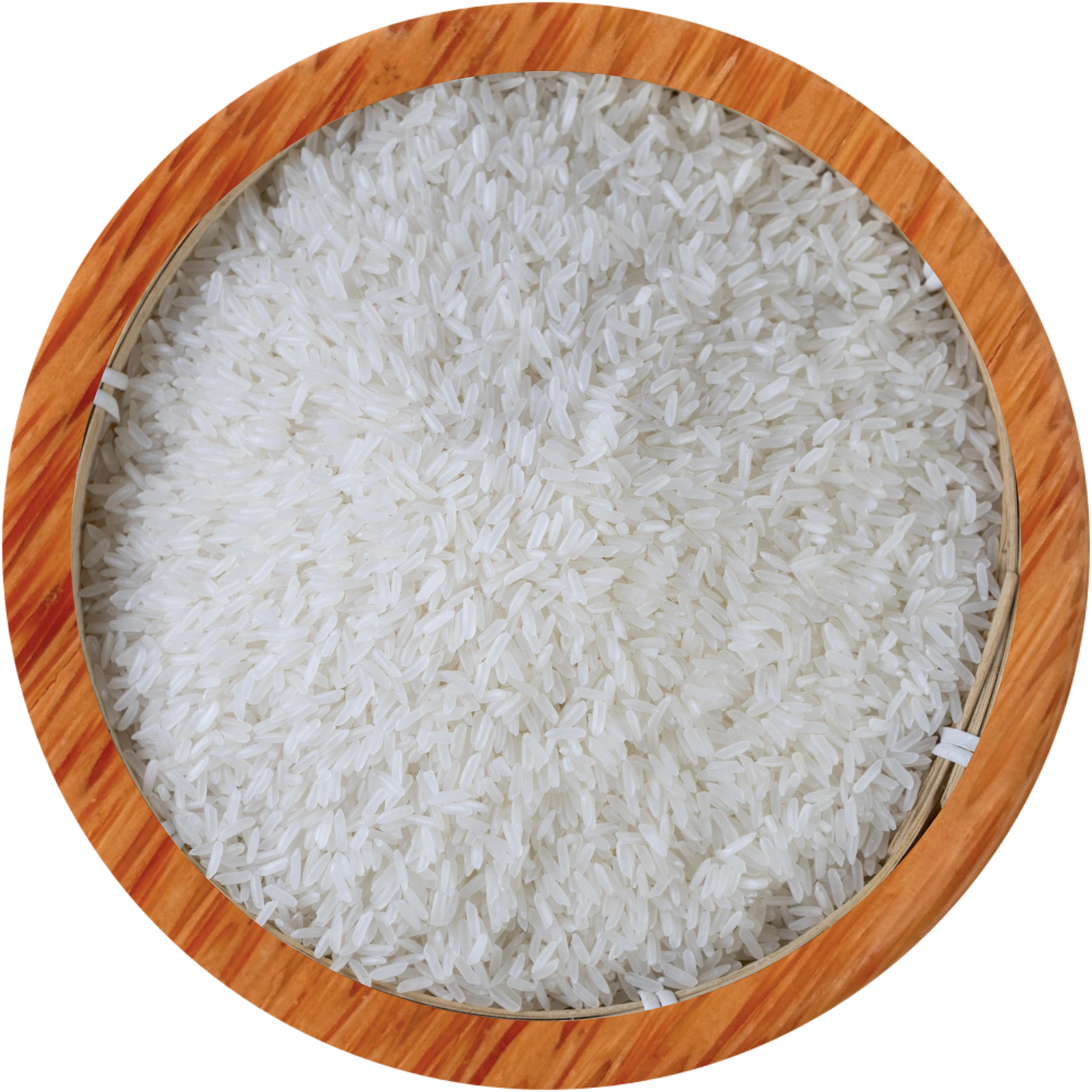
Broken rice is a physical grading parameter, not a complete quality score. Ask how fragments are classified and how the proportion is calculated. Grain length must identify whether it concerns whole kernels and whether a mean, range, or another basis is reported. A photograph is useful for orientation but cannot verify a percentage or dimension by itself.
Moisture also needs a method and sampling basis. A number copied from an old brochure is not a result for the proposed shipment. Colour, chalkiness, damaged kernels, foreign matter, and other defect terms should be defined rather than reduced to “good quality”. When destination testing is required, agree the relevant parameters, laboratory, reporting units, and timing.
Separate reference standards from your purchase limits
The Codex standard for rice, CXS 198-1995, provides an international reference for rice terminology and requirements within its stated scope. Check the current text and scope before applying it; glutinous rice needs particular care because it is outside that standard’s scope. A reference standard does not automatically define every term of your order.
For each specification line, distinguish “typical”, “target”, “maximum”, and “minimum”. An average historical result is different from a guaranteed lot limit. Avoid writing an unsupported tolerance yourself: ask both parties to agree a practical acceptance criterion and how a disputed result will be resolved.
Make a sample approval usable at shipment
- Give the specification a revision number and date.
- Associate it with the sample code and the proposed product.
- Record cooking instructions, evaluation conditions, and buyer observations separately from laboratory results.
- Keep sealed reference samples where agreed, with clear custody and storage instructions.
- Define sampling, inspection, acceptance, and discrepancy handling in the purchase documents.
If your team approves aroma and texture, state how it reached that decision. A tasting comparison with different water ratios or holding times can confuse cooking conditions with product differences. See the rice sample evaluation checklist for a repeatable trial and the sample versus shipment guide for the next stage.
Ask for the missing evidence before negotiating the price
A useful request reads: “Please confirm the rice identity, current specification revision, definition of broken kernels, test methods, proposed packaging, and the inspection basis for this quotation.” This gives the supplier a clear task and prevents a series of disconnected messages about one number at a time.
It also helps you compare offers on the same basis. The quotation comparison worksheet shows how specification, packing, and commercial terms interact. To discuss the appropriate sheet for your shortlisted rice, send Vũ Phong Phú your product, destination, and intended use; our team can confirm the available specification and the evidence needed for your enquiry.