
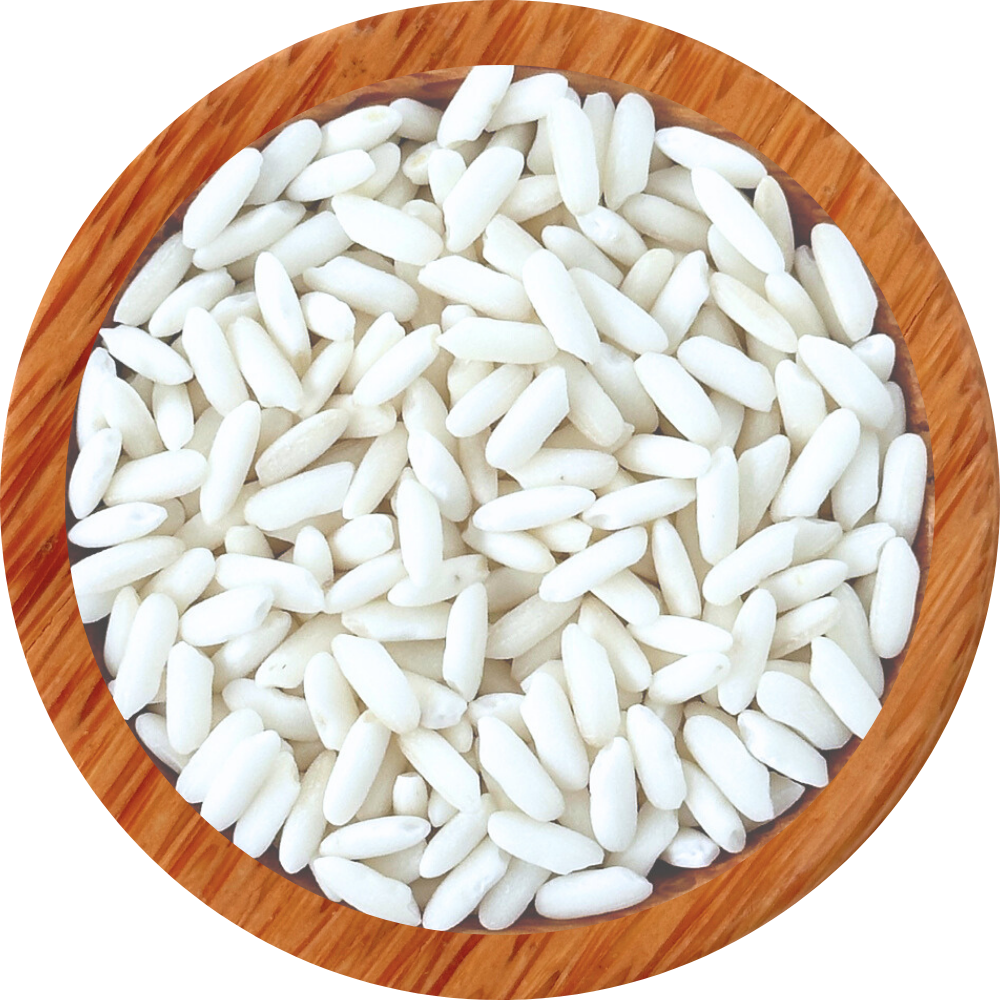
Glutinous rice and Jasmine can sit beside each other in a rice catalogue, yet their intended eating experiences are different. A buyer developing a dessert, a steamed sticky rice dish or an everyday rice accompaniment needs to begin with the required texture. Choosing by price or a white-grain photograph alone can produce a product that is technically rice but unsuitable for the planned menu.
This comparison of glutinous rice vs Jasmine focuses on product decisions for private label and foodservice. It is not a ranking of which rice is better. The right choice depends on what the customer expects to prepare and whether the kitchen or manufacturer can reproduce that result with the offered sample.
Make the names clear to the customer
Sticky rice, sweet rice and glutinous rice are terms buyers may encounter for the glutinous category. “Sweet” should not be read as proof that sugar has been added. “Glutinous” describes the rice type rather than establishing a tested gluten-free claim. Any dietary statement on a finished pack requires its own assessment of the product, processing and destination requirements.
Jasmine is a separate product identity. It should not be relabelled as glutinous rice simply because a particular cooking method makes the grains cling together. The relevant scientific distinction is that glutinous rice starch is dominated by amylopectin, as described in the Codex Standard for Rice. That distinction does not supply a complete specification for the offered product.
Compare the finished dish before comparing offers
| Decision | Glutinous rice enquiry | Jasmine enquiry |
|---|---|---|
| Menu brief | A cohesive rice preparation or suitable dessert | A cooked rice accompaniment or chosen family meal |
| Trial method | Use the intended soak and steam or cooking process | Use the customer’s normal cooker method |
| Texture assessment | Cohesion and chew suited to the dish | Tenderness and grain presentation suited to service |
| Approval record | Exact glutinous type and preparation | Exact Jasmine type and preparation |
These are enquiry directions, not claims that every sample will produce the same texture. View Vũ Phong Phú’s glutinous rice and Jasmine rice separately, then request the current identity and specification for each. White and pigmented glutinous products also need clear names; colour alone does not define their cooking behaviour.
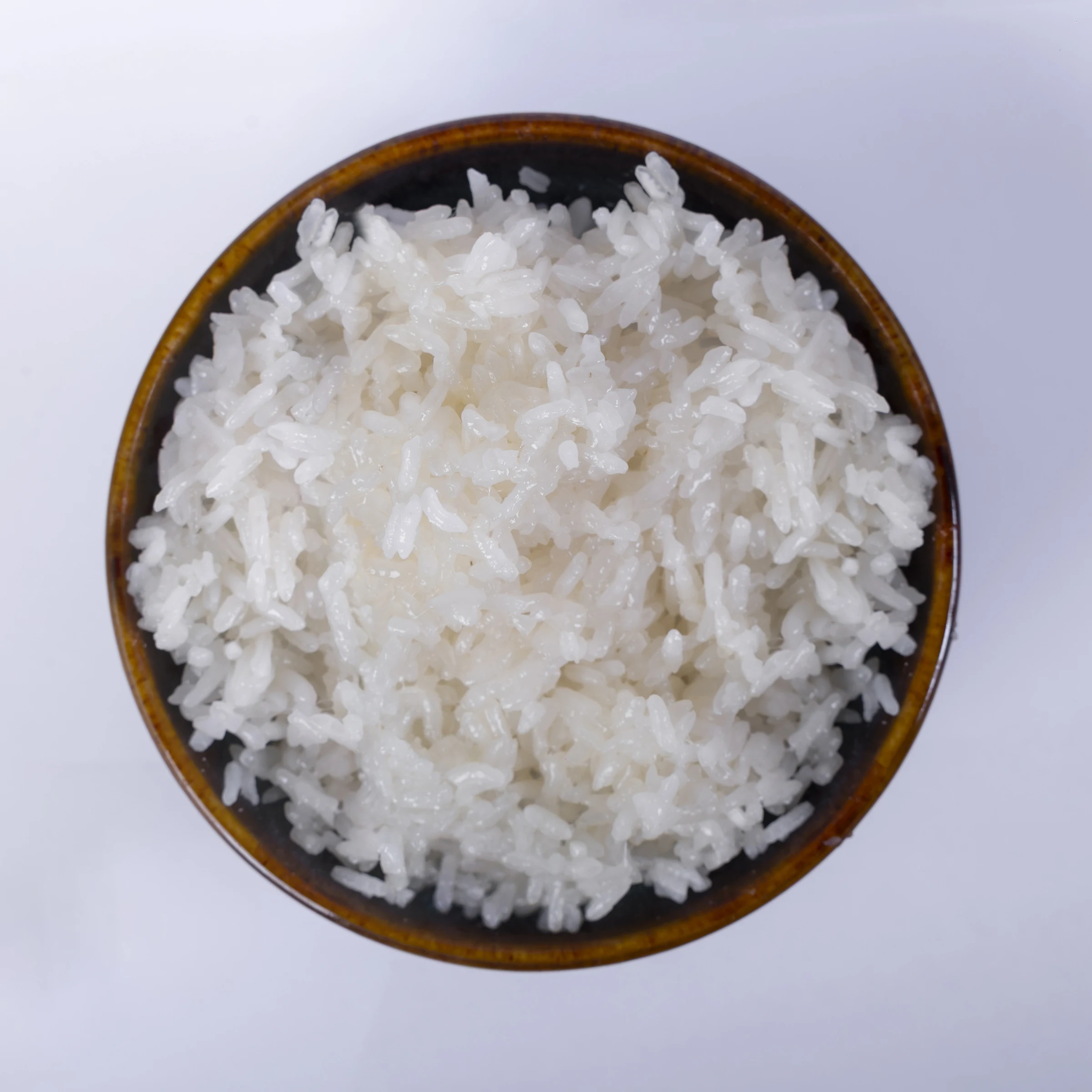
Design a trial that respects the process
Do not force both samples into one preparation merely to make the test look symmetrical. First evaluate each under the intended customer method. Record dry rice weight, washing, soaking where used, water or steaming conditions, equipment and resting. If the project is a chilled or reheated manufactured food, assess the relevant finished process under the manufacturer’s validated safety controls.
For a mango sticky rice retail concept, the customer needs rice that works with the chosen steaming and coconut preparation. A Jasmine accompaniment for grilled fish answers a different question. The Rice Applications collection provides serving ideas; its photographs are inspiration, while the actual sample trial determines suitability. Keep those roles distinct in a product development presentation.
Check ingredients and instructions together
Imagine a distributor launching two small retail packs: one for everyday meals and one for sticky rice desserts. If both packs carry the same generic cooker directions, customers may struggle even when the rice identity is correct. Test the instructions printed for each product with the equipment common in the intended market. Ask testers to follow the wording as written instead of receiving extra verbal help.
Record where an instruction becomes ambiguous: whether soaking is required in the chosen recipe, whether a measured volume means dry rice or prepared rice, and when the customer should add another ingredient. Fix the wording before artwork approval. Do not present one suggested preparation as the only authentic method across all cultures; describe the tested method and intended dish clearly.
Avoid transferring specifications between categories
Broken kernels, milling form, foreign material and packing requirements still matter, but acceptance values need to belong to the exact item. The scope of a standard and any exceptions must be checked before copying limits into a contract. A Jasmine sheet does not automatically become a glutinous rice specification with the heading changed.
Ask how the supplier identifies the approved sample and what changes would trigger another trial. If a manufacturer plans a blend, treat that as a separate formulation: an attractive combination is not evidence of compatible preparation. The purchasing record should connect product identity, method and intended texture, not only a category name.
- Define the dish and desired finished texture.
- Request correctly identified samples for each category.
- Trial the appropriate preparation and record adjustments.
- Approve distinct pack instructions and claim wording.
- Agree delivery checks for the selected product.
Share the finished dish brief with Vũ Phong Phú when requesting samples. A focused enquiry helps determine whether glutinous rice or Jasmine is the appropriate starting point, and keeps the product story understandable for both the professional kitchen and the retail customer.