
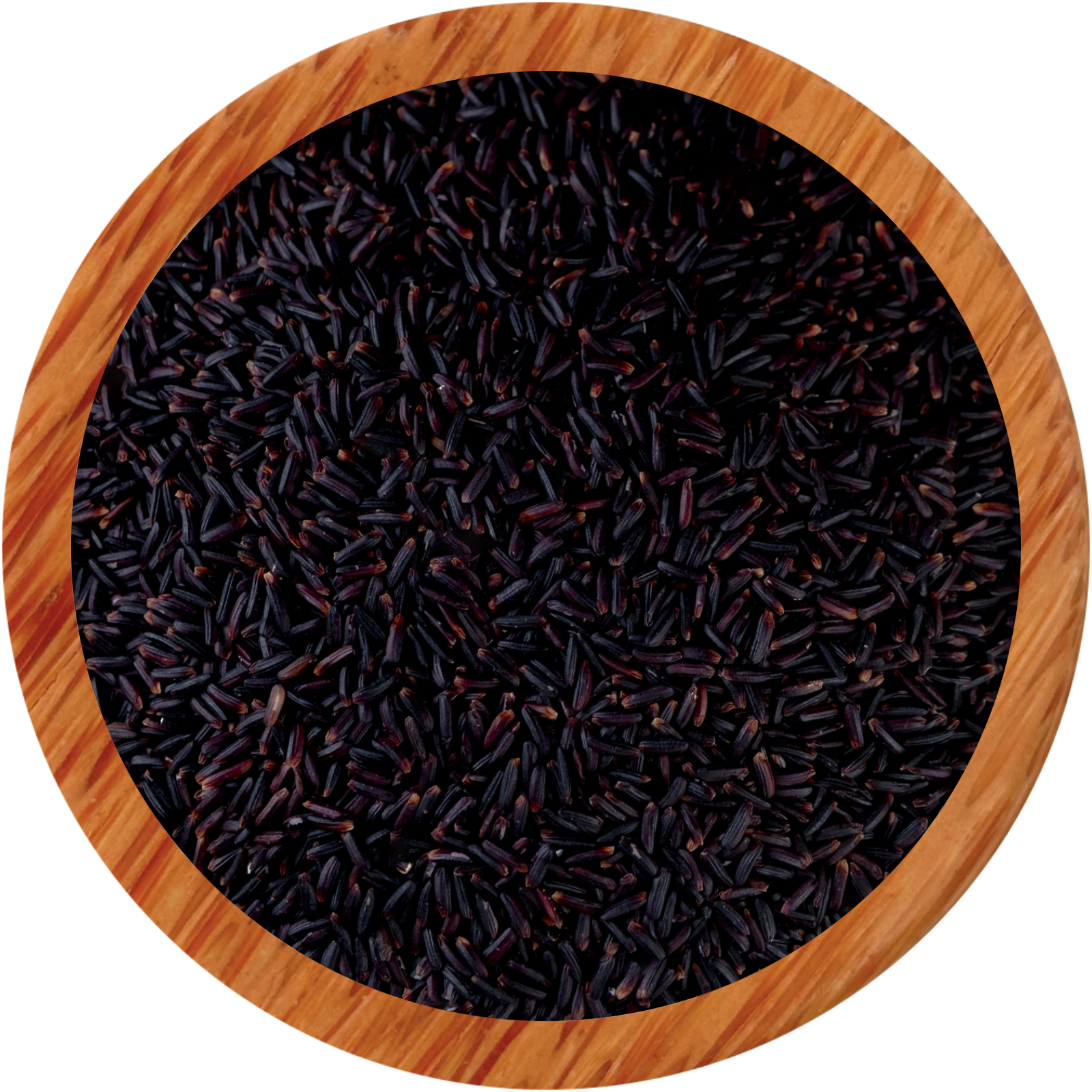
Two dark rice samples can look similar in a catalogue and perform differently in the kitchen. Colour describes what the grain looks like; “glutinous” describes a starch category associated with a sticky cooked texture. For an importer, confusing those two pieces of information can lead to the wrong product brief, recipe or label.
Begin by separating visual identity from functional identity. Ask what the seller means by black rice, whether the offered rice is glutinous, what milling condition is supplied and which records support the description. Do not approve a substitution merely because the colour is close.
Dark colour does not answer the starch question
Black rice is a colour-based description and needs further identification in a buying brief. Black glutinous rice, including the nếp than product category offered on this site, adds the important glutinous distinction. A dark non-glutinous product and a dark glutinous product are not interchangeable solely on appearance.
IRRI explains that glutinous rice contains no or only negligible amylose. This helps explain its characteristic stickiness, but it is not a measured amylose result for a supplier’s sample. If your processing specification depends on a numerical starch characteristic, agree an appropriate test and request the relevant result.
| Buyer question | Black rice brief | Black glutinous rice brief |
|---|---|---|
| Is colour enough? | No; confirm the exact product and starch category | No; confirm glutinous identity as well as appearance |
| What should cooking show? | The texture required for the intended dish or blend | The cohesion and texture required for the sticky-rice application |
| Can it replace the other? | Only after application testing and explicit approval | Only after application testing and explicit approval |
| What belongs on the label? | A supported, unambiguous product description | A supported description identifying the glutinous product |
Choose by application before you choose by photograph
A buyer preparing a distinct-grain meal or a blend may have different texture requirements from a buyer preparing a sticky dessert or another cohesive product. Write down the desired result first: how much cohesion is acceptable, whether the grains should remain distinct and how the product will be cooked and served.
Then ask whether the offered sample meets that result. Potential applications are ideas for testing, not guarantees that any dark rice will succeed in every recipe. For a blended product, test the actual blend proportions and preparation method; a successful individual rice trial does not establish that all components cook together well.
Also clarify milling condition and permitted colour variation in the specification. Photographs can change with lighting and editing. Use a consistent viewing setup for samples and document acceptable appearance without presenting colour as proof of variety, purity or nutritional composition.
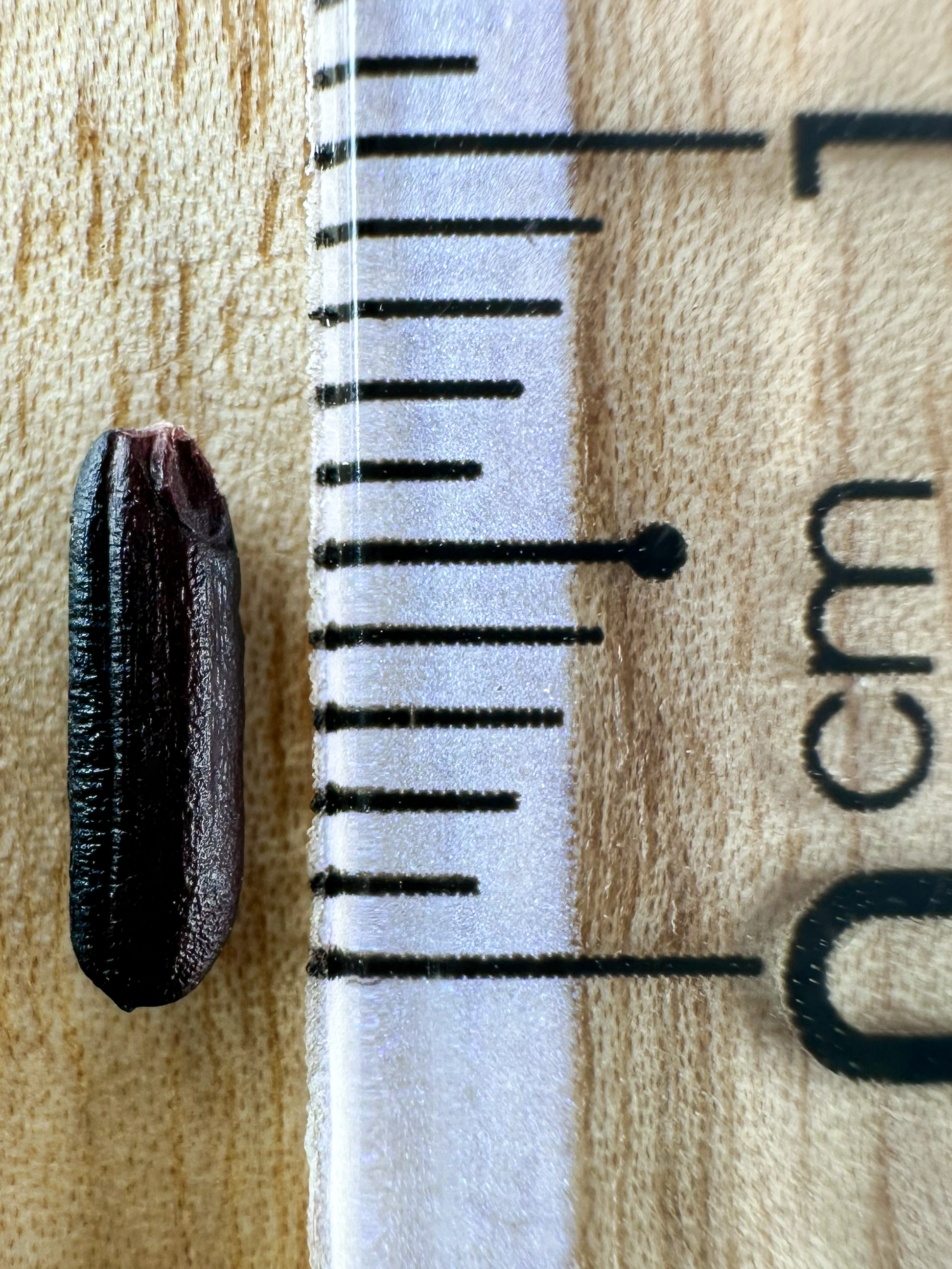
Run a small but repeatable suitability trial
- Identify both samples. Keep codes, supplier descriptions, dates and proposed specifications together.
- Record preparation. Document rinsing, soaking where used, dry weight, water and equipment.
- Evaluate the intended outcome. Record cohesion, grain integrity, texture and appearance at serving.
- Optimize deliberately. If the first result is unsuitable, change one variable at a time and record the change.
- Test the real formulation. For a dessert or blend, assess the complete recipe rather than extrapolating from plain cooked rice.
- Approve precisely. Name the accepted sample, application, specification version and remaining conditions.
If the two samples need different cooking methods, keep the initial controlled comparison separate from each optimized application test. A rigid identical recipe can be useful to show a difference, but it should not be the only basis for judging suitability.
Keep the label as precise as the purchase order
Check that the product name, ingredient description, origin wording and cooking instructions agree with what was approved. Avoid using black rice, nếp than, purple rice, ST Tím and Riceberry as automatic synonyms. Similar colour is insufficient evidence that those names refer to the same variety or product.
Do not attach disease-treatment, weight-loss or other health promises to the colour of the grain. Any nutritional or regulated claim needs evidence and destination review appropriate to the actual product. This buying guide makes no medical claim and does not publish invented nutritional values.
For packaging, the image should help shoppers recognize the product while the words remove ambiguity. Review the artwork checklist before printing, and use the sample checklist to preserve the purchasing evidence.
Compare our black rice and black glutinous rice offerings. Tell us your dish, processing use or retail brief, together with the destination and pack format, so the next discussion can identify the right sample and the requirements to confirm.