

A thick document folder can still leave a rice shipment unprepared for import. The useful question is not “How many certificates are included?” but “What does each record establish, does it match this consignment, and will the destination accept it?”
A rice export documents checklist should distinguish commercial records, transport records, regulatory documents and product evidence. Some are commonly used in a shipment; others apply only to a destination, contract, product or claim. Confirm the required set before production and booking.
Build the checklist around the destination
Ask the importer or competent broker to confirm the exact product description, origin, tariff classification and applicable import requirements. Record whether permits, official certificates, additional declarations or particular document formats are required. Do not reuse another buyer’s paperwork as a universal template.
For each required document, assign an issuer or preparation owner, a review deadline, the required format and the person who will receive it. Mark whether the original, an electronic record or a copy is needed. Coordinate requirements imposed by the destination, the sales contract, the carrier and any payment arrangement.
Commercial invoice, packing list and transport document
| Record | What it describes | What it does not establish by itself |
|---|---|---|
| Commercial invoice | The invoiced transaction, goods, quantity and price | Laboratory compliance or physical condition |
| Packing list | How the declared goods are packed and quantified | The cooking quality of the rice |
| Bill of lading or other transport record | The shipment information and carriage record under its terms | Acceptance under every destination rule |
| Certificate of origin, when applicable | Origin information under the relevant issuing procedure | Food safety or automatic tariff preference |
| Phytosanitary certificate, when applicable | Official plant-health certification for the consignment | All food-safety, retail-label or quality requirements |
| Test report or certificate of analysis | Results for identified samples and stated methods | Every attribute of every bag |
Check the parties’ names, addresses, product descriptions, weights, pack counts, marks and shipment references for consistency where relevant. Investigate a discrepancy rather than deciding that one document “must be right.” A transposed digit can affect customs, delivery or document acceptance even when the underlying rice is correct.
Agree the transport-document type and release arrangement with the forwarder and any bank involved. A scanned draft, an issued document and a released consignment are different milestones. Track each one explicitly.
Origin evidence depends on the applicable procedure
If origin documentation is required, confirm the form, issuing procedure and supporting information early. A country named in a marketing brochure is not shipment-specific origin evidence. Likewise, a supplier’s processing address is not enough to establish every origin rule that may apply.
Where a preferential tariff is being considered, the importer should verify the applicable agreement, eligibility and evidence with the relevant authority or broker. The existence of a certificate titled “origin” does not by itself settle whether a particular preference can be claimed.
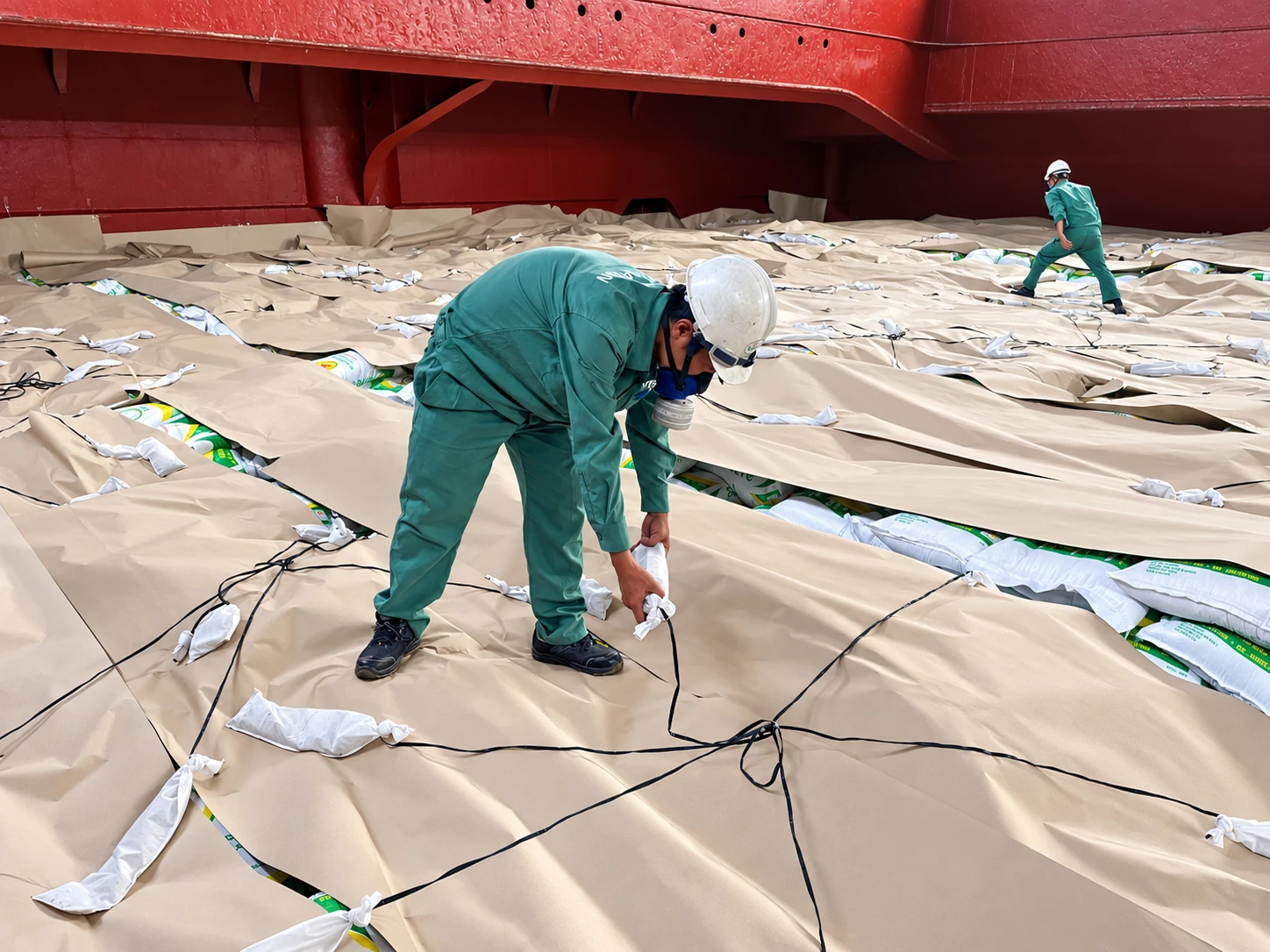
Phytosanitary requirements need product and country matching
IPPC’s current adopted-standard index identifies ISPM 12 as the standard covering preparation and issuance of phytosanitary certificates. Its revised 2022 edition replaces earlier versions. This framework concerns official plant-health certification; the importing country’s requirements determine what is needed for the actual product and shipment.
Confirm whether a certificate is required, which competent authority issues it, and whether any treatment or additional declaration must be arranged. Do not assume that all rice products follow the same requirement or that a private test report substitutes for an official certificate.
Plan the timing before shipment. An official inspection or certification step may need access to the goods or specified records. Asking for a certificate after dispatch can expose an avoidable gap in the order schedule.
Read product evidence at the level it actually covers
A certificate of analysis or laboratory report should identify the sample, lot reference where applicable, test date, methods and results. Match it to the approved specification and the consignment. If the report covers a sample from a different lot or an earlier period, request clarification rather than treating the title as sufficient.
A food-safety management certificate relates to the named organization and scope. A Halal certificate has its own product and validity boundaries. Neither automatically replaces shipment testing or destination approval. The company quality information and ISO certificate verification guide help distinguish these forms of evidence.
Use a document control table before shipment
- Document name and why it is required for this order.
- Issuer or preparation owner and planned issue date.
- Order, lot and shipment references to be matched.
- Draft review status and unresolved corrections.
- Required original or electronic format.
- Receiving party, delivery deadline and receipt confirmation.
Keep buyer-sensitive information controlled. When sharing an example publicly or with another prospect, remove commercial values, personal details, banking information and shipment identifiers as appropriate. A redacted example can explain a document format without exposing a customer’s transaction.
For the wider workflow, use the rice import roadmap. For responsibility and charge allocation, read the FOB and CIF guide. Together, these help put document preparation at the right point in the order.
Need the applicable buyer documents? Explore our resources and share the selected rice, destination and requested records through the contact page. The required scope can then be discussed against the actual project.