
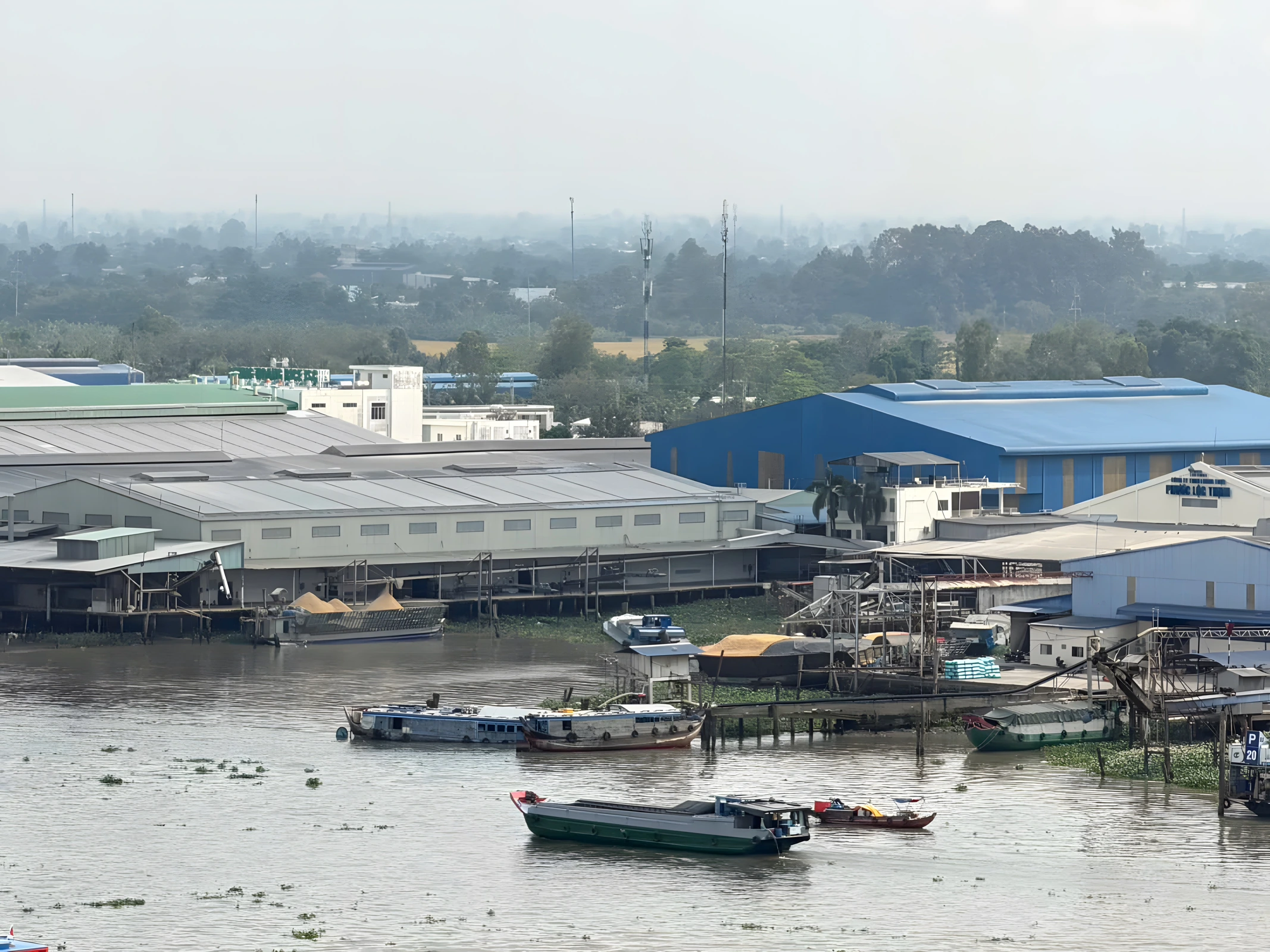
A CIF rice quote can look more complete than an FOB quote because freight and insurance are included. That does not mean the seller carries the transit risk until the rice reaches the destination port. Comparing these offers starts with separating three questions: who arranges transport, who pays, and when risk transfers.
The letters alone are insufficient. You need the named port or place, the Incoterms edition, the same rice specification and a clear statement of included charges. Otherwise, two prices per tonne can describe different purchases.
Cost responsibility and risk transfer are different
Under FOB Incoterms® 2020, delivery and risk transfer occur when the goods are on board the vessel at the named shipment port. The buyer arranges the main carriage. Under CIF, the seller arranges and pays the agreed freight and insurance to the named destination port, but risk also transfers on board at shipment. Review the ICC’s official checklist and flowcharts when selecting the rule.
For your procurement file, draw two lines: one for the cost responsibility and another for the delivery/risk point. If those lines end in different places, keep them visibly separate. This simple habit prevents the arrival port printed beside CIF from being mistaken for the point where all transit risk remains with the seller.
Compare the same product before comparing the term
Confirm the rice variety, milling condition, broken specification, packaging, quantity and agreed inspection scope. A cheaper FOB offer may be for different rice or simpler bags, while a CIF offer may include an additional service. Those differences belong in separate rows of your comparison.
Use the specification sheet guide to identify missing product fields. Record any assumptions in the quotation rather than trying to correct them privately in your spreadsheet. Ask the supplier to confirm the revised scope so both parties are comparing the same requirement.
Write the full term and examine the charge boundary
A complete quotation should state the rule, named port or place and edition, for example “CIF [named destination port], Incoterms® 2020.” The bracketed port must be replaced by the actual agreed location. A vague phrase such as “CIF your country” leaves an essential part of the agreement unresolved.
| Comparison item | Question to ask |
|---|---|
| Origin handling | Which inland, terminal and loading services are within the quoted scope? |
| Main freight | Which route, shipment window and validity assumptions apply? |
| Insurance | What cover, exclusions, insured value and claims procedure apply? |
| Destination charges | Which handling, release or other charges remain for the buyer? |
| Import and onward delivery | Who arranges clearance, taxes and movement to the warehouse? |
| Timing | Which dates are estimates and which services have been booked? |
Ask the forwarder or carrier to explain destination charges before accepting the commercial comparison. A quoted freight amount does not tell you everything needed to collect the goods. Record the assumptions about free time and any potential delay charges separately; do not treat them as guaranteed costs or guaranteed exemptions.
Insurance included does not mean every loss is covered
ICC explains that the default insurance requirement differs between CIF and CIP: CIF uses the minimum Institute Cargo Clauses (C) level, while CIP requires broader Clauses (A) or similar cover, subject to the agreed terms. Ask for the actual insurance wording rather than relying on the word “insured.”
For rice, discuss the concerns relevant to your shipment, including packaging damage or moisture-related issues, with the insurer or broker. Determine how a claim would be reported and what evidence would be required. Do not infer that a listed concern is covered just because it matters to the buyer.
For containers, consider the actual handover
A container is commonly handed to a carrier or terminal before it is loaded onto the ship. ICC’s checklist directs parties toward FCA for a buyer-arranged container or multimodal movement, and CPT/CIP when the seller arranges the main carriage, depending on insurance. Consider whether those rules better describe the actual handover than an on-board rule.
This is a contract discussion, not a reason to replace three letters without reviewing the workflow. Ask where the seller can practically deliver, who appoints the carrier and what transport document is needed. If a bank requires an on-board bill of lading, address that requirement when agreeing the term and document instructions.
A worked comparison without pretending to quote the market
Hypothetical figures only: assume identical goods, packaging and quantity, with an FOB value of USD 600 per tonne. If buyer-arranged freight and insurance add USD 45 per tonne, the comparable figure for those included components is USD 645. A CIF quote of USD 650 is USD 5 higher on that limited basis.
That arithmetic does not prove which offer is better. Confirm destination-charge treatment, insurance cover, sailing assumptions, validity and the practical ability to manage the booking. Neither figure is the complete landed cost, and neither is a current Vũ Phong Phú offer. The supplier quotation comparison guide takes the comparison further.
Need a clearly scoped rice quotation? Review our export coordination and share the product, packaging, quantity, named port or place and preferred rule. Those details allow a useful discussion of costs and responsibilities.