
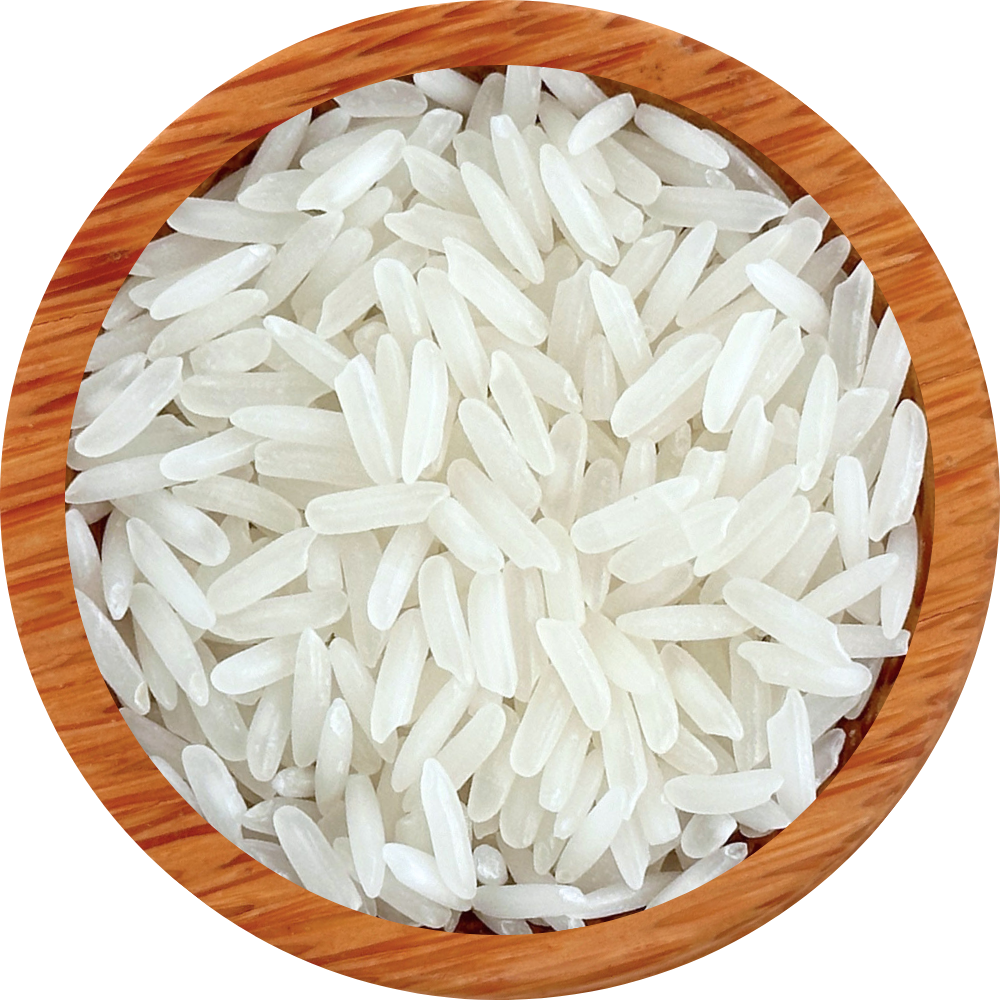
For a restaurant or catering buyer, the relevant OM5451 question is practical: can the approved grade deliver the result your kitchen needs? A product photograph cannot answer how much cooked rice you can portion, how staff will prepare it or what it looks like at service. Evaluating OM5451 rice for foodservice means measuring the proposed sample in the workflow where it will be used.
This is a trial plan, not a published yield claim for Vũ Phong Phú's rice. It does not assume that OM5451 is suitable for every dish or interchangeable with parboiled rice or basmati. Start with the identified OM5451 offer, then test it against the kitchen's requirements.
Choose a representative service scenario
Pick one dish, one appliance and the serving method used on an ordinary busy day. A small pan trial may help select a water level, but it does not automatically represent a large production cooker. Record batch size, washing, water, programme, rest period and the staff member preparing it. Repeat the preferred method so you can see whether it works beyond one successful batch.
Define the appearance and texture needed before testing. A rice side, sauced meal and fried-rice preparation can require different results. The dish inspiration library can help frame an application, while the actual kitchen test determines suitability. Keep the food safety procedure separate from sensory preferences and follow the requirements applicable to your operation.
Measure usable output, not just a full cooker
Weigh the raw rice and the cooked output using a clear, repeatable basis. State whether the raw mass is measured before washing and when the cooked mass is taken. Then record the amount that can actually be served after any normal handling losses. Cooked mass divided by raw mass is a trial ratio, not a universal product specification.
Consider a hypothetical test using 1 kg raw rice that produces 2.5 kg cooked rice, with 2.3 kg available for portions after normal handling. These are illustrative numbers, not OM5451 performance data. At a 150 g portion, the practical planning basis is the usable mass. Do not round the theoretical portion count into a guaranteed service promise; record actual portions and the leftovers from the trial.
| Trial field | What to record |
|---|---|
| Sample | Code, grade, lot context and specification version |
| Preparation | Raw mass, wash, water, appliance and programme |
| Output | Cooked mass at the defined weighing point |
| Usable output | Servable mass and separately recorded losses |
| Portions | Target portion, actual portion count and consistency |
| Service observation | Texture and presentation at the relevant serving interval |
Observe the rice when customers receive it
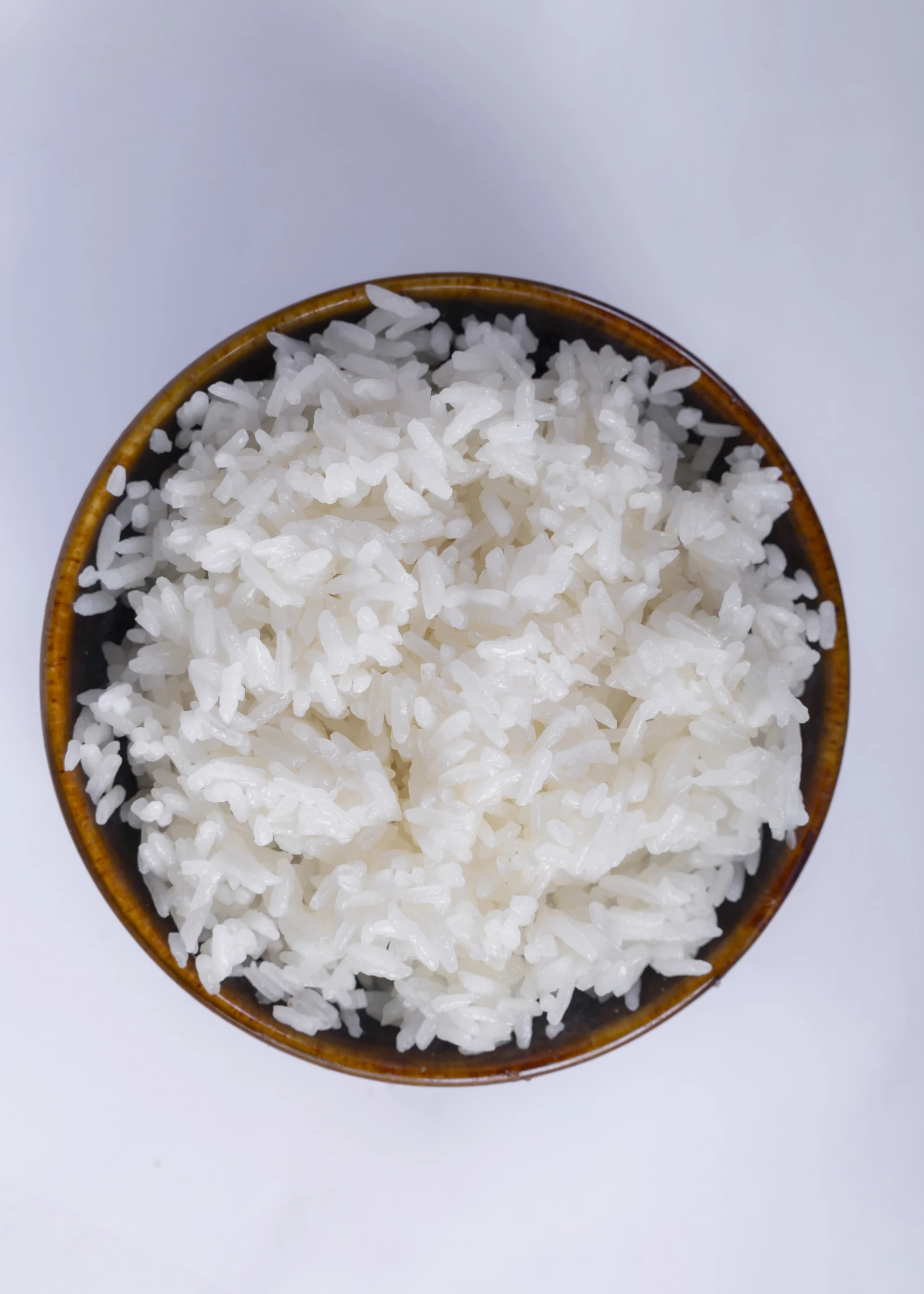
Evaluate the first serving and later relevant service points using the kitchen's controlled process. Record whether portions remain presentable and whether staff need to change their handling. A holding trial must follow your approved time and temperature controls; tasting quality does not establish food safety. If chilling and reheating are part of the menu, evaluate those only within a validated operating procedure.
Food Standards Agency guidance illustrates why storage, cooking and reheating controls matter. Household guidance is not a replacement for a professional kitchen's food safety plan or destination rules. Ask the responsible food safety team to approve the trial process rather than importing an informal leftover-rice method into a catering operation.
Compare cost per usable portion
Compare samples under recorded conditions before using price to rank them. Raw rice price is one input; portion size, usable output and handling requirements also affect the kitchen's purchasing decision. Keep labour or energy assumptions explicit if included. Do not present a precise cost advantage unless the inputs have been measured or confirmed for the actual service.
For example, two test methods produce different cooked masses, but the higher mass has a texture the chef rejects. The rejected result should not be used to advertise a better yield. Select the acceptable method first, then calculate its usable output. A slightly different water setting may change both the portion planning and the eating experience.
Send the supplier the kitchen evidence
- State the dish and equipment, with the expected batch size.
- Attach the sample code and recorded preparation method.
- Describe the accepted texture and any observed issue.
- Include usable output and portion observations without turning one test into a guarantee.
- Agree the specification and repeat-order reference for the selected grade.
Read the broader rice selection guides for multi-product menu planning. For OM5451, keep the conclusion specific: this identified sample met, or did not meet, this kitchen brief under this method. That gives Vũ Phong Phú a useful basis for discussing the product, packing and follow-up samples.