
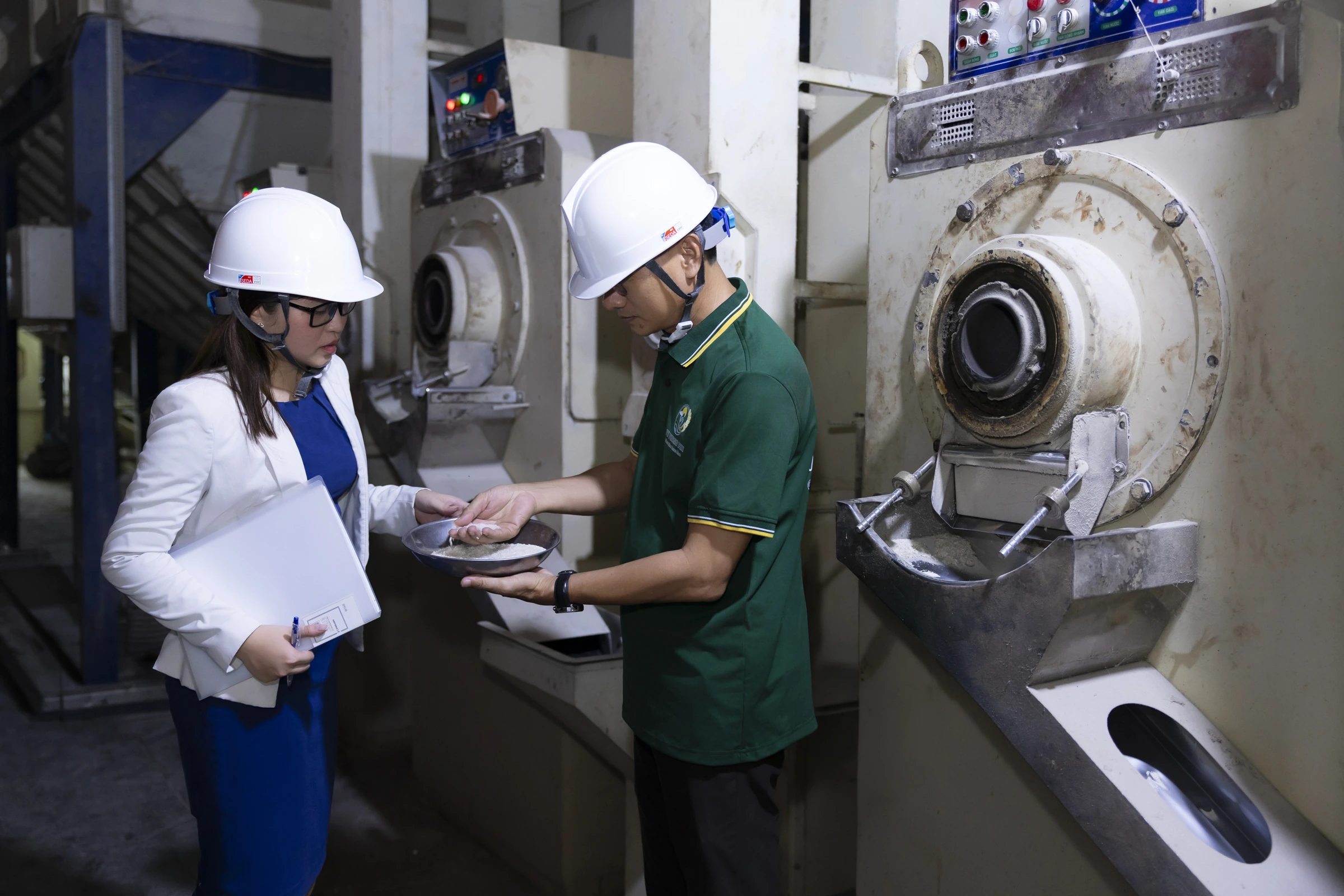
A factory visit is most useful when it answers a purchasing question. Can this site process and pack the grade you need? Who releases each lot? What happens when an inspection finds a problem? A clean reception area and a busy line are encouraging, but neither answers those questions alone. Plan your rice supplier factory audit around a real product and a traceable production example.
For a supermarket private label or hotel group, the visit should connect commercial requirements with operating evidence. Ask the production and quality teams to join the walkthrough, rather than leaving all answers to the sales representative. Agree the scope in advance so staff can prepare relevant records without exposing another customer's confidential information.
Prepare a short brief before arriving
Send the proposed variety, quality specification, pack size, estimated order pattern and destination market. A mill may be able to process your rice but require a different packing arrangement for your retail format. Request the site address, process overview and certificate details beforehand. Bring the current version of the specification so everyone discusses the same requirements.
- Choose one example lot to follow from intake to packing.
- Identify the operations included in the visit and any outsourced activities.
- Ask which records can be viewed or supplied in redacted form.
- Agree who will answer production, warehouse and quality questions.
- Separate essential checks from questions that can be resolved after the visit.
Follow the material, not just the tour route
Start where raw material arrives. Ask how deliveries are identified, assessed and accepted or held. Follow the material through the operations applicable to your order, such as cleaning, milling, polishing, sorting and packing. At each stage, ask what could make the product unsuitable and how the team detects or controls that issue. Observe the equipment in context; an installed machine does not demonstrate that it is correctly set for your proposed grade.
Check how finished goods remain identifiable. Look for clear separation of released stock, held material and rejected goods. Ask how a packing operator knows which bag, artwork and lot code to use. Where multiple varieties or customer brands are handled, understand the changeover process and the checks before the next run begins.
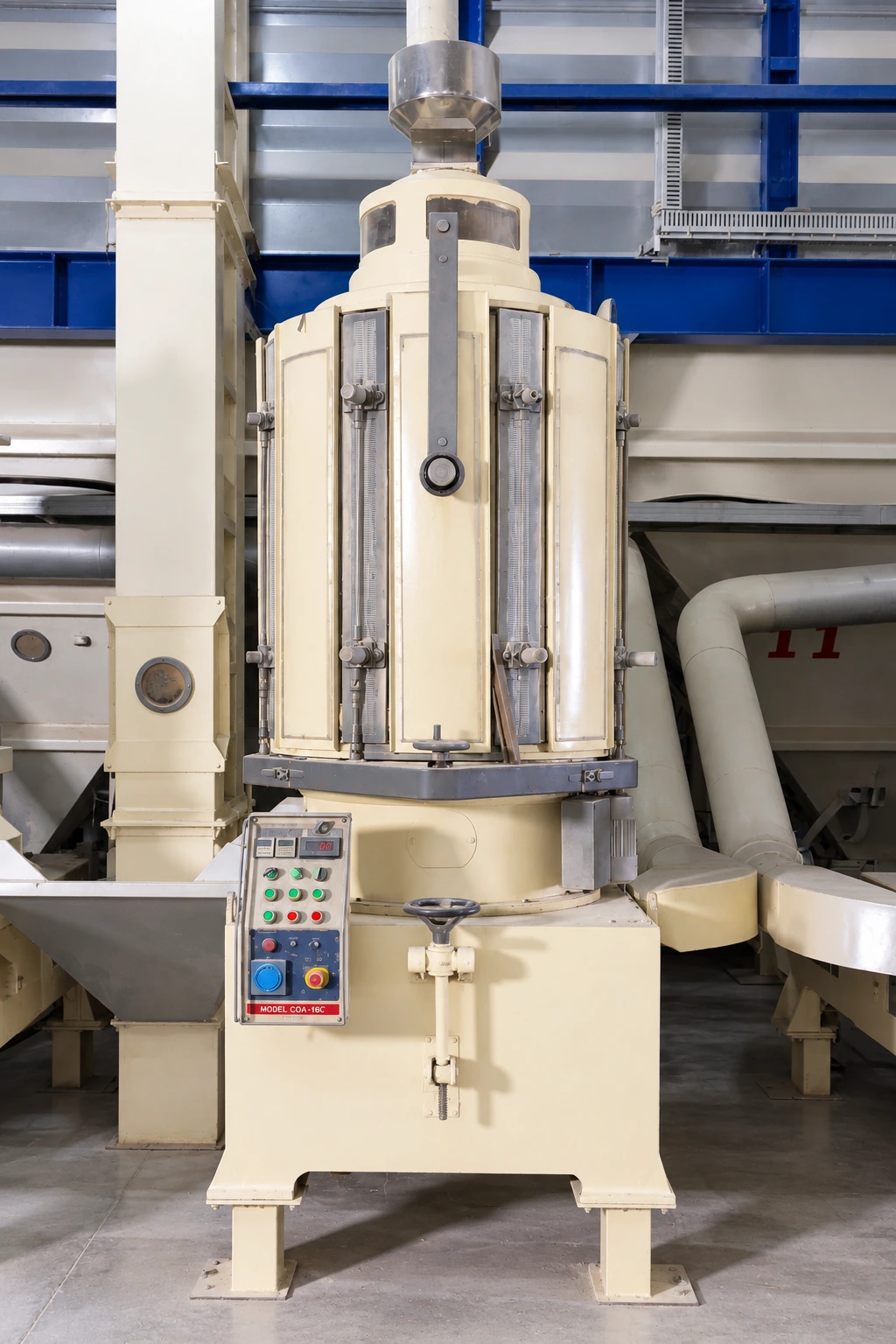
Look for evidence of routine control
Warehouse conditions, housekeeping, pest-control arrangements, personnel hygiene and maintenance practices deserve attention. Ask how problems are recorded and escalated. A recent corrective action with a documented follow-up can reveal more about management than a general statement that problems never occur. Observe whether the procedure described by a manager matches the records used by operators.
ISO's explanation of ISO 22000 concerns food safety management and the control of food safety hazards. Use that context when reviewing the system. The certificate does not replace checking the commercial specification of the rice you intend to buy. For the certificate itself, use our separate scope-verification guide.
Distinguish nameplate capacity from available capacity
Ask how the quoted capacity was determined: which operations, working hours and product formats are included? Then discuss the order you are considering. Packing, material availability, maintenance, existing commitments and quality holds can all affect the slot that can actually be offered. Avoid converting a daily processing figure directly into a promised shipping date.
| Audit question | Useful evidence | Purchasing implication |
|---|---|---|
| Can the required grade be produced? | Process route, relevant inspection record, trial or comparable run | Confirm the exact scope of the offer |
| Can the chosen bag be packed? | Packing setup, changeover and seal checks | Allow time for format approval |
| Is an order slot available? | Production and packing plan with dependencies | Agree a realistic ready window |
| Can a lot be followed? | Connected intake, process and packing records | Resolve gaps before release planning |
Turn observations into a follow-up list
For example, a buyer sees correctly coded retail bags but cannot match the finished lot to the intake reference during the tour. Record the specific gap, the evidence requested, the responsible person and a response date. Do not reduce the observation to “traceability poor” or accept “we have a system” as closure. Review the missing connection when the record arrives.
Close the visit with confirmed capabilities, open questions and actions required before an order. Keep photographs only with permission and attach them to the relevant observation. A walkthrough is a snapshot; it cannot guarantee future output or replace subsequent lot checks. Explore Vũ Phong Phú's factory information and the quality resources before discussing the records needed for your assessment.