

Private label rice project lead time is easier to manage when the team separates production time from the approvals that allow production to begin. A supplier may be ready to discuss rice while the importer is still changing claims, pack sizes or artwork. Those open decisions belong on the schedule. A credible launch plan identifies dependencies, assigns owners and updates assumptions before a delay becomes an unexpected missed listing date.
Define the milestone the customer actually needs
Ask whether the target date means bags packed, goods ready for collection, port departure, warehouse receipt or supermarket availability. These milestones are not interchangeable. Record the customer's required event and work backwards from it, with the appropriate logistics team contributing the transport assumptions. This article concerns the OEM project's readiness; shipment transit and customs planning need a separate review. A factory-ready date does not automatically establish an arrival date.
Next identify what must be complete before the production slot can be confirmed. This may include a selected product and specification, approved reference sample, final quantity, packaging construction, reviewed label and agreed commercial prerequisites. The exact gates are project-specific and should be discussed through the OEM process. Do not borrow a competitor's advertised lead time or assume a previous order's schedule applies when the new project has different packaging and approval needs.
Map dependencies before assigning dates
A useful plan shows which activities can proceed together and which cannot. The importer can gather local operator details while the product team evaluates samples. A designer can prepare a layout while the destination reviewer checks proposed wording. However, printing a final bag before the relevant wording and construction are approved can create avoidable rework. Show these relationships explicitly instead of placing every task in an attractive calendar with no approval gates.
Use a schedule table with columns for task, predecessor, owner, evidence of completion and currently agreed date. Sample approval should point to an identified sample and specification; artwork approval should point to a versioned file; packaging readiness should point to the accepted material and delivery status. A message saying looks good is insufficient if the team cannot tell which version it approves. The artwork checklist helps make that handover precise.
Keep packaging supply visible
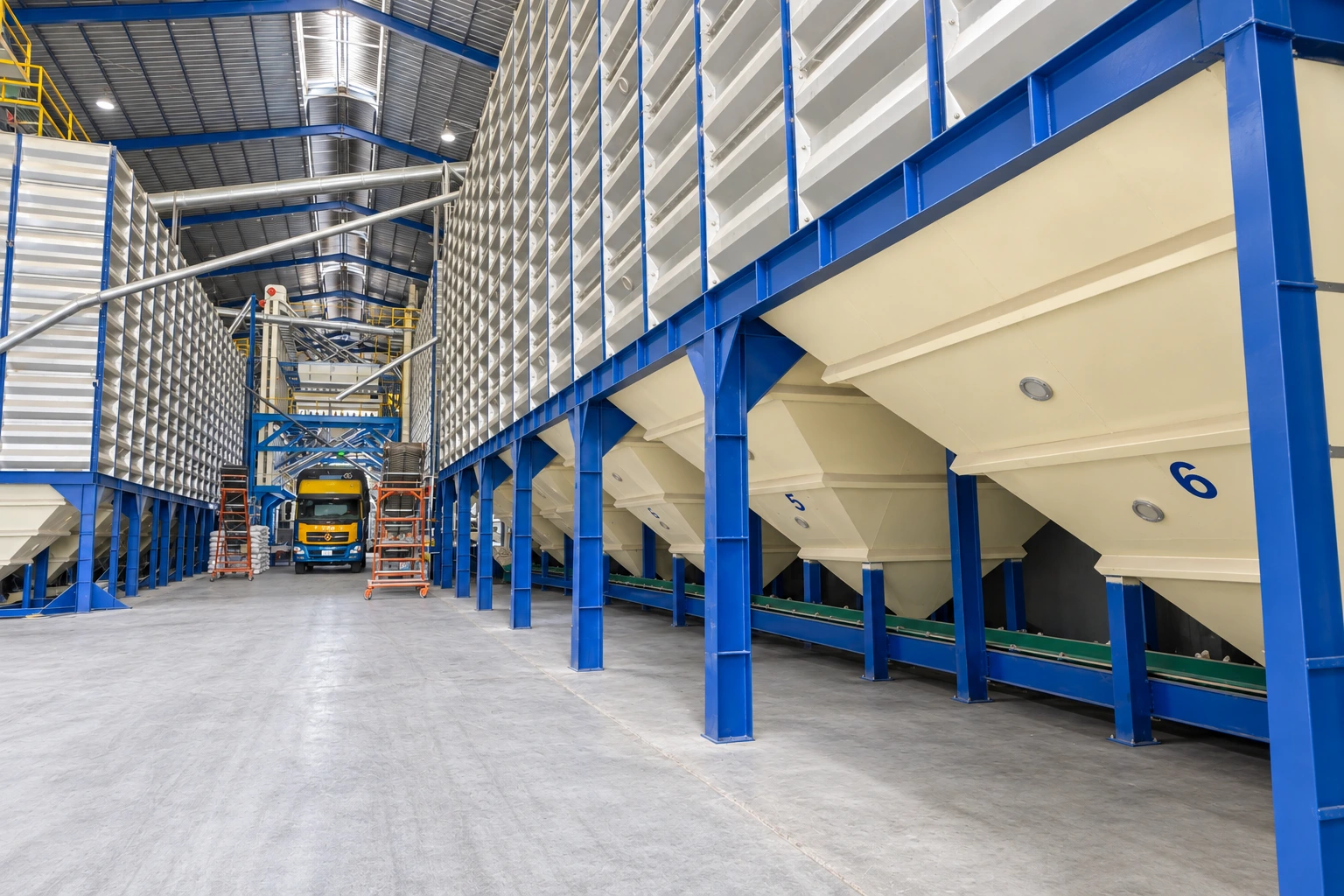
Packaging can be a separate constraint from rice availability. Confirm whether materials are existing stock, custom printed or still under evaluation. Ask the packaging partner about artwork requirements, production sequence and the evidence needed to accept the material. Do not present these questions as guaranteed durations. When a new film structure, closure or print arrangement is introduced, allow the project to assess compatibility rather than scheduling full production as if it were a routine repeat order.
For supermarket packs, include barcode identity and print verification in the readiness check. GS1's barcode implementation steps describe practical decisions such as symbol selection and placement. This does not mean barcode review controls every project's critical path; it is a concrete example of a small unfinished task that can block retail readiness. Verify the finished pack and the retailer's item data before declaring the SKU ready.
A worked planning example without invented delivery promises
Consider a hypothetical buyer launching two pack sizes of aromatic rice. The grain sample is accepted, but the importer has not confirmed its address on the back panel and the second size still needs a packaging trial. The first task blocks final label approval; the second blocks confirmation of that pack's production readiness. Increasing the factory's packing speed would not resolve either issue. Assign owners and decision dates to the actual blockers before asking for a revised production schedule.
The team can review whether the two sizes should launch together or whether a staged release is commercially acceptable. That decision requires buyer approval because it changes the assortment and order plan. Record the revised scope, not only the new date. A staged release is an option to discuss, not an automatic supplier workaround. Keep the approved product, packaging and quantity aligned so the team does not solve a scheduling problem by accidentally creating a different order.
Manage changes and protect the remaining plan
When a change arrives, state its effect on samples, artwork, materials and production rather than accepting it as a harmless edit. A new claim may need destination review; a new bag weight may need a different trial; a revised quantity may affect the commercial and production plan. Maintain a decision log with the request, owner, affected milestones and approved response. This gives both sides a shared explanation for schedule movement.
Before committing to a listing date, review every unresolved gate, the basis of each estimated interval and the plan for exceptions. Confirm the milestone in writing and agree how updates will be communicated. The project enquiry should include the destination, product, packaging status and target event. A transparent lead-time discussion improves coordination without promising a fixed number of days that the available evidence cannot support.
- Target milestone
- Approval owners
- Packaging readiness
- Change log
- Updated schedule