
“Factory direct” can sound like the obvious answer when sourcing rice. Yet the label tells you less than the responsibility map behind it. A mill may process the rice while another company signs the export contract; a trader may coordinate several mills and provide a single commercial interface. Either arrangement needs clear accountability.
The useful question is not simply whether your supplier is a mill or a trader. It is who controls the product, who promises the delivery, and who will resolve a problem when those responsibilities cross company boundaries.
Map the five roles in your transaction
Identify the contracting seller, processor, packing site, party arranging export formalities and shipment coordinator. One company may perform several roles. When different companies are involved, ask the seller to explain the relationship and provide the evidence relevant to your order.
| Role | Buyer’s question | Useful evidence |
|---|---|---|
| Contracting seller | Who is responsible for the agreed supply? | Legal identity and draft contract |
| Processor | Where is the rice milled and sorted? | Site identity and process description |
| Packer | Who applies the label and lot code? | Packing location and approved instructions |
| Export coordinator | Who checks the document requirements? | Responsibility and document matrix |
| Quality decision maker | Who can approve or reject a lot? | Release process and escalation contact |
What to verify when dealing with a mill
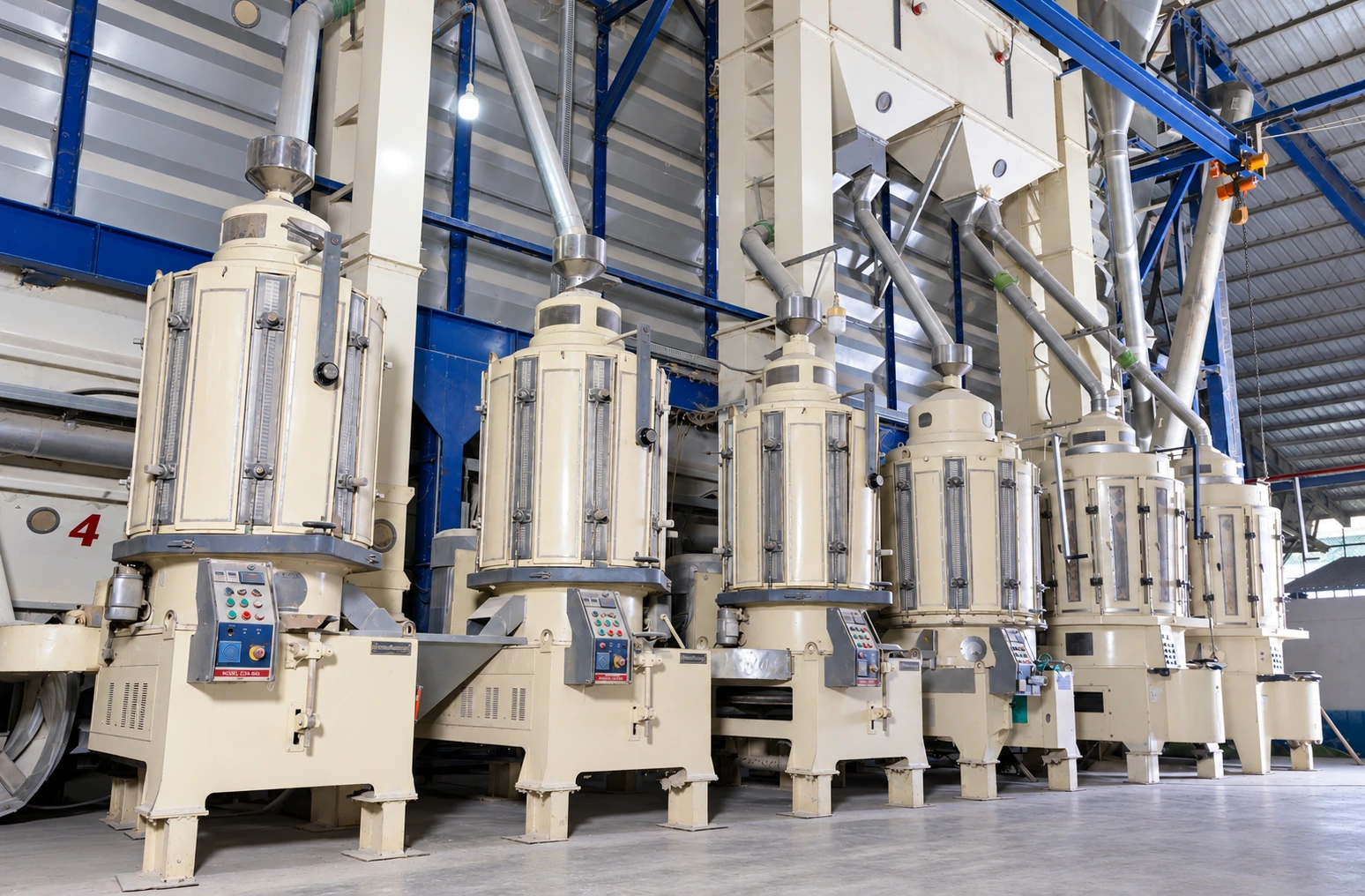
A processing operation can provide direct access to production discussions: milling condition, sorting, packing sequence and quality release. That access is valuable when you need to connect a specification to the work performed at the site. Verify that the proposed goods actually pass through the operation being shown.
Ask which steps are performed on site and which are outsourced. Confirm whether the quotation covers the seller’s own processed stock, purchased finished rice or a combination. These are operational questions, not accusations; a transparent answer helps you understand traceability and scheduling.
Also check export coordination and commercial flexibility. A large production capacity is not the same as an available packing slot, a confirmed vessel booking or a small custom order that fits the factory’s production economics. Ask for a realistic order plan rather than interpreting equipment photographs as proof of every capability.
What to verify when dealing with a trader
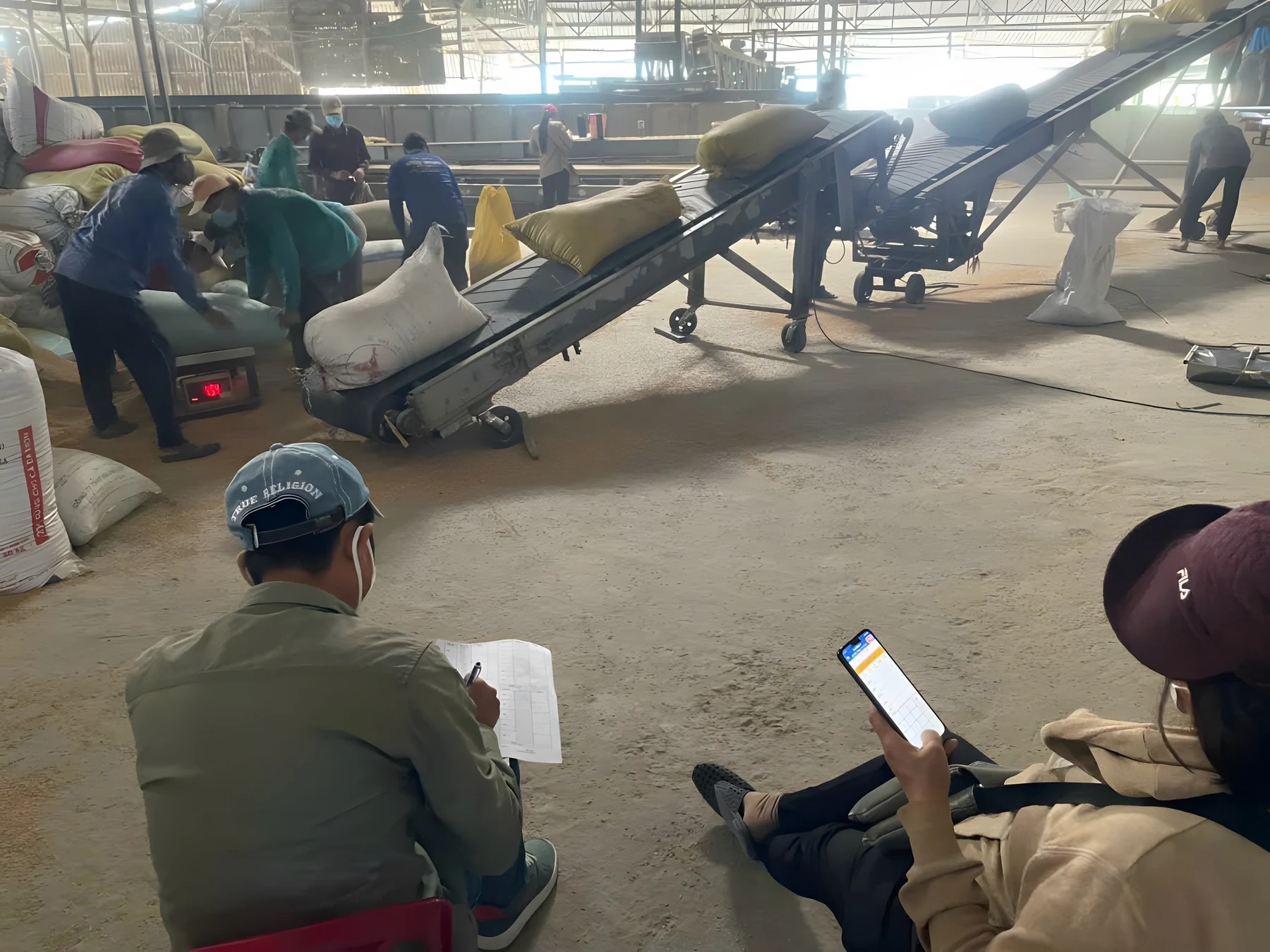
A trading company may help a buyer combine varieties, compare supply options or coordinate a complex commercial brief. The critical check is how it controls consistency across processors. Ask whether a repeat order can move to a different mill and what notification or approval process applies.
Establish who keeps reference samples, receives inspection results and authorizes a replacement lot. If the trader handles your claim but the mill controls production, the contract should still make the seller’s obligations clear. Avoid an arrangement where every problem is referred to another company with no agreed resolution path.
Do not assume that a trader is always more expensive or that a mill is always cheaper. Compare the same product, grade, packaging, quantity, handover point and services. The quotation comparison guide explains how to expose differences that headline prices can hide.
A short meeting that reveals the model
- Ask the seller to describe the path from raw material to finished shipment, naming the sites involved.
- Choose one proposed product and ask how its sample, specification and lot records connect.
- Confirm who can approve changes in processor, raw material category or packaging.
- Ask which company appears on each certificate and why its scope is relevant to the proposed operation.
- Agree the commercial contact and the technical contact, with a clear escalation route between them.
- Request written confirmation of the answers that affect the order.
A remote site discussion can be useful if it follows an agreed agenda: receiving, processing, quality checks, packing and storage. Request permission before recording, and allow the supplier to protect confidential production information. Where the commercial risk warrants it, arrange a site visit or independent inspection under a defined scope.
Choose the model that fits your buying brief
A buyer developing a tightly controlled retail SKU may prioritize processor continuity and packaging coordination. A distributor testing several rice categories may prioritize assortment and commercial consolidation. Neither preference removes the need for written specifications, approved samples and documented responsibility.
Before choosing, work through the 12 supplier checks and the sample evaluation checklist. The model becomes much easier to assess when the same evidence is requested from each candidate.
For our legal identity, family milling background and team, start with About Vũ Phong Phú. Then share your product and supply brief through our contact page so the relevant production and commercial responsibilities can be discussed.